
Praying On Time and the Warning of Ghayy in Surah Maryam
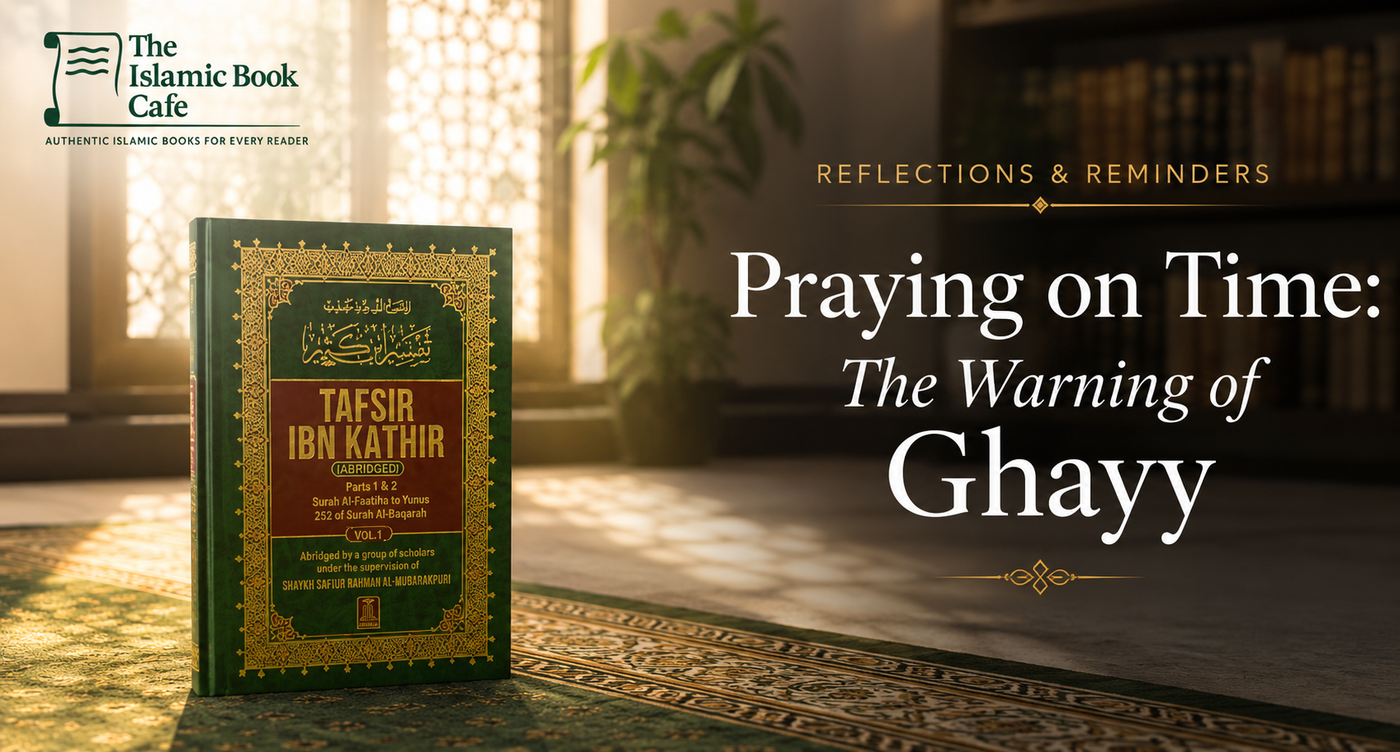
After praising a long line of Prophets and those who followed them, Allah turns in Surah Maryam to the generations who came after, and He names two failings that undid them. It is a warning that speaks directly to how we treat our five daily prayers.
Allah, the Most High, said:
"But there came after them successors [i.e., later generations] who neglected prayer and pursued desires; so they are going to meet evil —" [Maryam (19): 59]
The Two Failings Named in the Ayah
The verse pairs two causes: neglecting the prayer, and following desires. As the mufassirun explain, the second flows from the first. When the prayer, the pillar of the religion, is lost, the heart loosens its grip on everything else, and worldly appetites take the lead. The ruin of a people, again and again, begins at the prayer mat.
"Neglecting the Prayer" Means Losing Its Time
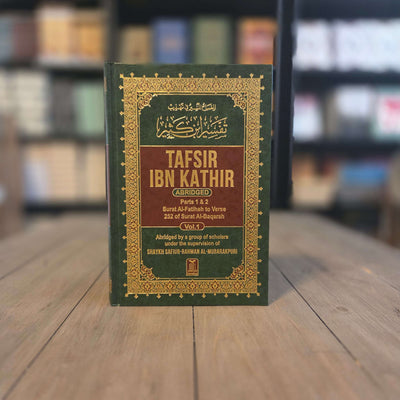
Here is the point that should stop every one of us. "Neglecting" the prayer does not only mean abandoning it altogether. In the Tafsir Ibn Kathir 10-Volume Set, the early authorities are reported explaining this verse precisely:
When Ibn Mas'ud was asked about guarding the prayer, he said it means praying it at its appointed times. The people said they had assumed the verse referred to abandoning the prayer outright, and he replied that abandoning it entirely would be disbelief. The warning here is for those who still pray, but let the times slip. Masruq put it plainly: no one who guards the five prayers at their times is written among the heedless; the neglect being warned against is delaying them past their fixed times. 'Umar ibn 'Abdul-'Aziz recited the same verse and said their loss was not that they stopped praying, but that they did not pray at the proper, prescribed times.
So the danger is not reserved for the one who never prays. It reaches the believer who prays 'Asr after the sun has set, or lets Fajr pass until the day is bright, the one who keeps the prayer but loses its time.
What Is Ghayy?
The verse says such people will "meet evil," in Arabic ghayy. Saheeh International notes that the word is described as a valley in Hell, or may be rendered "the consequence of error." The tafsir carries both senses: Ibn 'Abbas said it means loss, Qatadah said it means evil, and Ibn Mas'ud described ghayy as a deep valley in the Hellfire with vile food. Whether we take it as the outcome of error or as a named place of punishment, the message is one: this is where the road of neglected prayers and unchecked desires ends.
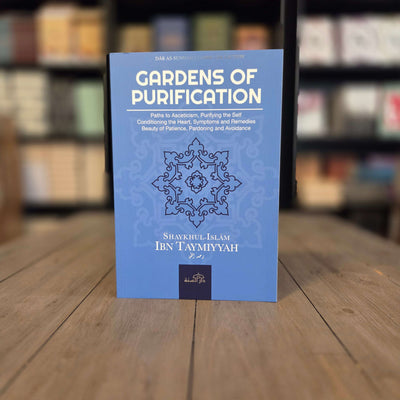
This is the same theme Shaykhul-Islam Ibn Taymiyyah unfolds in our excerpt from Gardens of Purification, where he contrasts ghayy (deviation) with rushd (right guidance): every act that harms its doer is deviation, and every act that benefits him is guidance. You can read that passage here: Gardens of Purification: The Straight Path of Asceticism.
The Door Left Open: Repentance
The warning does not end in despair. The very next ayah opens the door wide:
"Except those who repent, believe and do righteousness; for those will enter Paradise and will not be wronged at all." [Maryam (19): 60]
Whoever returns, restoring the prayer to its times and turning from desires, Allah accepts, and does not diminish their reward in the least.
Guarding Your Prayer Times
The lesson is simple and urgent: it is not enough to pray. Pray on time. Learn your local prayer times, guard the beginning of each window, and treat a prayer's time like an appointment that cannot be moved. For the boundaries of each prayer's window from the fiqh, see our excerpt on The Prayer Times. For a deeper study of these verses, the Tafsir Ibn Kathir 10-Volume Set is a widely relied-upon explanation of the Qur'an in English.
Baarakallahu feekum — The Islamic Book Cafe | Portland, Oregon.
Leave a comment
This site is protected by hCaptcha and the hCaptcha Privacy Policy and Terms of Service apply.