
How to Make Wudu (Ablution) Step by Step: According to the Qur'an and Sunnah
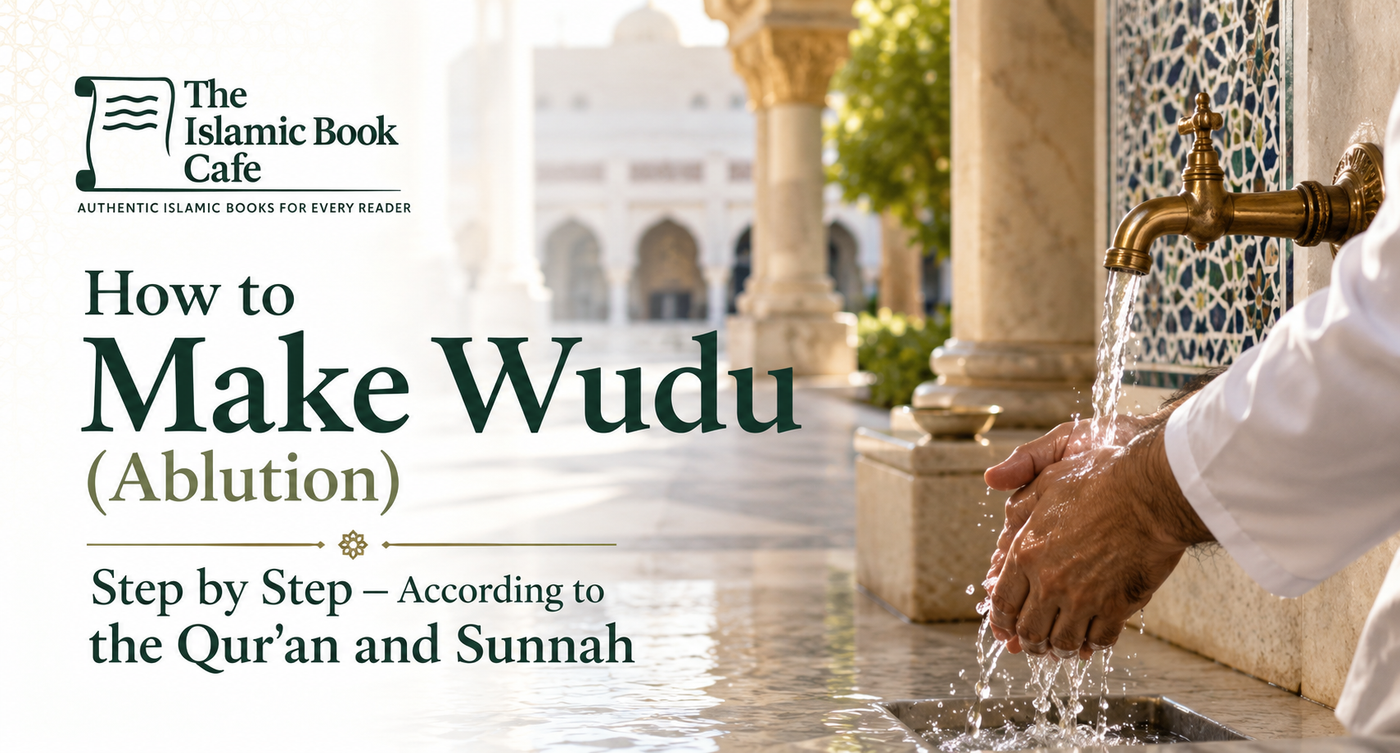
Before a Muslim stands before his Lord in prayer, he first purifies himself. Wudu, the ritual ablution, is the key that unlocks the prayer. No prayer is accepted without it, and it is the first thing the Prophet, peace and blessings be upon him, taught by both word and example. Allah, the Most High, commanded it directly in His Book:
"O you who have believed, when you rise to [perform] prayer, wash your faces and your forearms to the elbows and wipe over your heads and wash your feet to the ankles."
(Surah al-Ma'idah 5:6, Saheeh International)
This guide walks through wudu exactly as the Prophet, peace and blessings be upon him, performed it, grounded in the Qur'an and the authentic Sunnah. If you are learning the prayer itself, read it alongside our full guide on Salah: The Second Pillar of Islam, of which purity is a condition.
Why Wudu Comes Before Salah
Purity (taharah) is one of the conditions for the validity of the prayer. Without wudu, the prayer is not accepted, no matter how carefully it is performed. The verse above ties the two together directly: when you rise to pray, wash. Wudu is therefore not a minor preliminary but a prerequisite act of worship in its own right, and it carries its own great reward, as you will see below.
The Intention (Niyyah) for Wudu: Where It Truly Belongs
This is the point most often misunderstood, so give it your attention.
Wudu begins with intention. Without intending it as an act of worship, it is merely washing, not wudu. The Prophet, peace and blessings be upon him, said:
"Actions are (judged) by intentions, and each person will have what he intended."
(Sahih al-Bukhari 1 and Sahih Muslim 1907)
But here is what must be made clear: the intention is in the heart, not on the tongue. It is simply your resolve to make wudu in order to purify yourself for the sake of Allah. That resolve is already present the moment you approach the water.
Pronouncing the intention aloud, saying "I intend to make wudu…" before beginning, is not from the Sunnah. The Prophet, peace and blessings be upon him, never uttered his intention for wudu or for prayer, nor did his Companions, nor the imams who followed the way of the Salaf as-Salih. Shaykh al-Islam Ibn Taymiyyah and Shaykh Ibn al-Uthaymeen both clarified that voicing the intention is an innovation (bid'ah) with no basis in the practice of the Prophet, peace and blessings be upon him. Worship is built upon following, not upon additions, however well-meaning. So make your intention in your heart, and begin.
How to Make Wudu, Step by Step
The complete description of how the Prophet, peace and blessings be upon him, made wudu was demonstrated by Uthman ibn 'Affan (may Allah be pleased with him) and reported by his freed slave Humran:
"I saw 'Uthman bin 'Affan asking for a tumbler of water, then he poured water over his hands and washed them thrice, then rinsed his mouth and washed his nose by putting water in it and then blowing it out. Then he washed his face thrice, and his forearms up to the elbows thrice, then passed his wet hands over his head, and then washed each foot thrice."
(Sahih al-Bukhari 159)
Here is that method, in order:
Step 1: Make the Intention and Say Bismillah
Resolve in your heart to make wudu. Then say "Bismillah" as you begin.
Step 2: Wash the Hands Three Times
Wash both hands up to the wrists, three times, beginning with the right.
Step 3: Rinse the Mouth (Madmadah) Three Times
Take water into the mouth and rinse it thoroughly, three times.
Step 4: Clean the Nose (Istinshaq) Three Times
Draw water into the nostrils and then expel it, three times.
Step 5: Wash the Face Three Times
Wash the entire face three times, from the hairline to the chin, and from ear to ear.
Step 6: Wash the Forearms to the Elbows Three Times
Wash the right forearm up to and including the elbow three times, then the left the same way.
Step 7: Wipe the Head and Ears Once
With wet hands, wipe over the whole head once. The ears are part of the head. Wipe the inside with the index fingers and the outside with the thumbs, using the same wetness.
Step 8: Wash the Feet to the Ankles Three Times
Wash the right foot up to and including the ankle three times, taking care between the toes, then the left the same way. Do not neglect the heels. The Prophet, peace and blessings be upon him, warned against leaving dry spots there.
Your wudu is now complete.
The Reward of Wudu, and the Du'a After It
Uthman (may Allah be pleased with him) did not describe this without reason. He continued:
"I saw the Prophet, peace and blessings be upon him, performing ablution like this of mine, and he said: 'If anyone performs ablution like that of mine and offers a two-rak'ah prayer during which he does not think of anything else, then his past sins will be forgiven.'"
(Sahih al-Bukhari 164 and Sahih Muslim 226)
After completing wudu, it is from the Sunnah to raise the gaze to the heavens and recite the testimony of faith and the supplications reported for that moment. The full collection of these authentic du'as is found in Fortress of the Muslim.
The Obligatory Acts of Wudu vs the Sunnah Acts
Not every part of the wudu above carries the same ruling. The obligatory acts (fara'id), those named in Surah al-Ma'idah 5:6, are washing the face, washing the arms to the elbows, wiping the head, and washing the feet to the ankles, done in order and without long interruption. The Sunnah acts (saying Bismillah, washing the hands first, rinsing the mouth and nose, repeating three times, beginning with the right) complete the wudu and multiply its reward, but the wudu is still valid if performed at the obligatory minimum of once for each washed part. Guarding the Sunnah acts, however, is the way of the one who loves to follow the Prophet, peace and blessings be upon him.
What Invalidates Wudu
Wudu is broken by the things established in the Qur'an and Sunnah, among them relieving oneself (as the verse itself mentions, "one of you comes from the place of relieving himself"), passing wind, and deep sleep. On the passing of wind, the Prophet, peace and blessings be upon him, addressed the one troubled by doubt:
"He should not leave his prayer unless he hears a sound or finds a smell."
(Sahih al-Bukhari 137 and Sahih Muslim 361)
So certainty is not lifted by mere doubt: once you have wudu, you do not lose it until you are sure. When wudu is genuinely nullified, it must be renewed before the next prayer. The finer questions are treated in detail by the scholars in the works listed below.
Common Mistakes to Avoid in Wudu
- Pronouncing the intention aloud: the niyyah is in the heart; voicing it is an innovation
- Leaving dry spots, especially the heels and between the toes: the water must reach the whole part
- Rushing so that the mouth, nose, or arms are not properly washed
- Wiping the feet instead of washing them when not wearing socks or khuff: the feet must be washed
- Doubting wudu constantly: once you have completed it with certainty, do not let whispers (waswas) drive you to repeat it needlessly
Deepen Your Understanding: Books From The Islamic Book Cafe
Salah & Its Essential Conditions by Yahya Ondigo, a focused study of purity and the conditions that make prayer valid, suited to the new Muslim and to auditing your own worship.
Prayer According to the Quran and Sunnah by Prof. Muhammad Zulfiqar, a thorough treatment of purification and prayer, grounded in Qur'anic verses and authentic hadith.
Fortress of the Muslim, the du'a collection, including the supplications after wudu.
Summarized Sahih al-Bukhari. Go directly to the authentic narrations on ablution and purification, including the description of the wudu of the Prophet, peace and blessings be upon him.
Browse our full Salah collection and Fiqh collection for more.
Final Words
Wudu is where the prayer begins, a moment of turning away from the world and preparing to stand before Allah. Perform it as the Prophet, peace and blessings be upon him, performed it: with the intention settled quietly in the heart, with care that the water reaches every part, and without adding to what he left us, peace and blessings be upon him. Do this, and the wudu itself becomes a means of erasing sins before you have even said "Allahu Akbar."
And when the night comes, keep the wudu with which you prayed Isha and seal the night with the witr prayer. See how to pray witr step by step.
"Allah does not intend to make difficulty for you, but He intends to purify you and complete His favor upon you that you may be grateful."
(Surah al-Ma'idah 5:6, Saheeh International)
This post is based on the Qur'an, authentic Sunnah, and the explanations of the imams who followed the way of the Salaf as-Salih. For detailed rulings, refer to the books listed above or consult a reliable scholar.
Baarakallahu feekum — The Islamic Book Cafe | Portland, Oregon.
 Salah Prayer & Its essential Conditions By Yahya OndigoInternational Islamic Publishing House$20.00
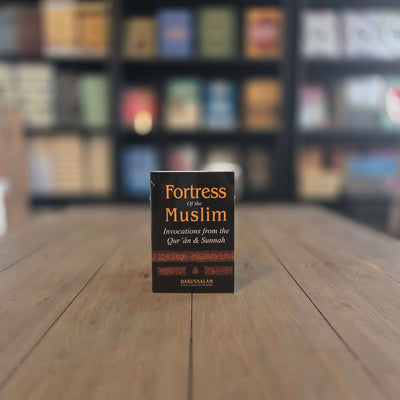 Fortress of The Muslim Invocations from the Quran and SunnahDarussalam Publishers$8.00
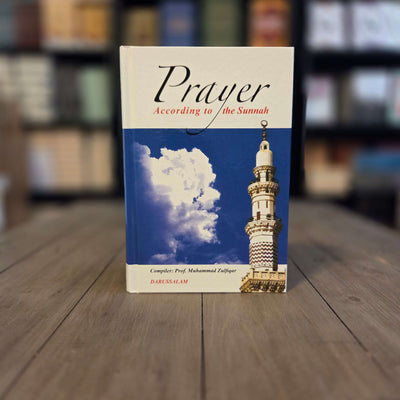 Prayer According To Quran and Sunnah By Prof. Muhammad ZulfiqarDarussalam Publishers$29.00
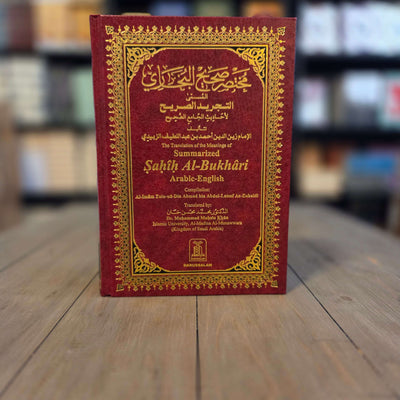 Summarized Sahih Al-Bukhari (Large)Darussalam Publishers$46.00
Leave a comment
This site is protected by hCaptcha and the hCaptcha Privacy Policy and Terms of Service apply.