
Islam Began as Something Strange: Who Are the Strangers?
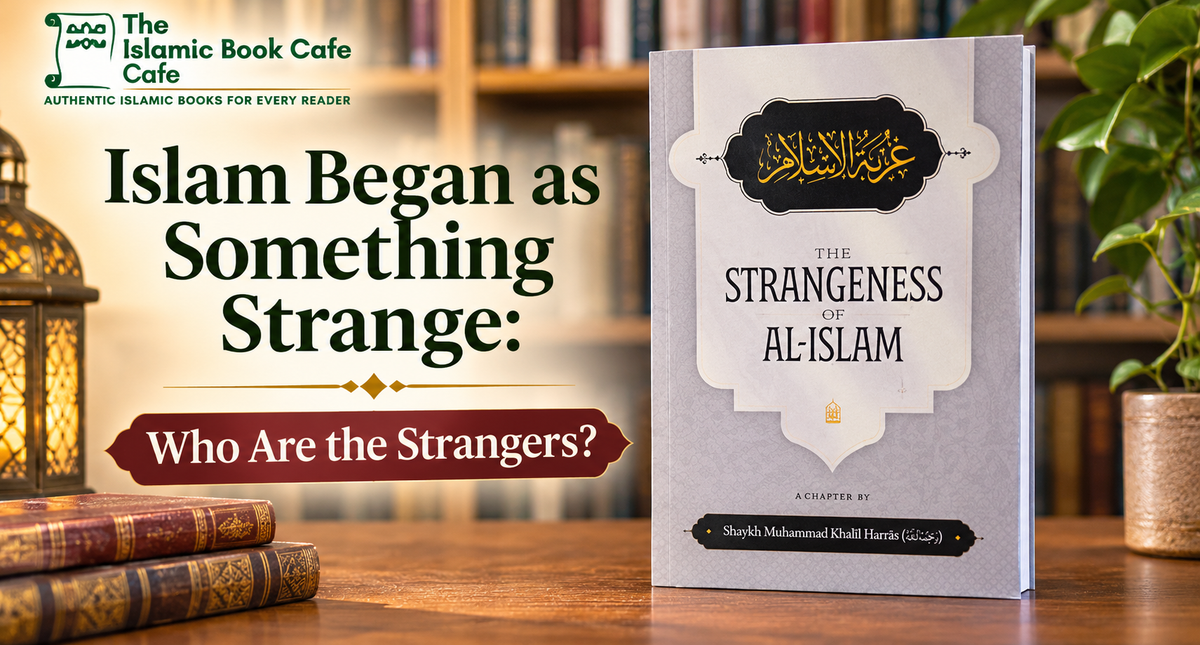
Anyone who has tried to hold to the Sunnah in a place where few others do knows the feeling of being out of step: at work, in the family, and sometimes in the masjid. The Prophet, peace and blessings be upon him, told us this would happen, and he gave good news to the people it happens to.
The Hadith of the Strangers
Abu Hurayrah narrated that the Messenger of Allah, peace and blessings be upon him, said:
Islam initiated as something strange, and it would revert to its (old position) of being strange. so good tidings for the stranger.
— Sahih Muslim 145
Ibn 'Umar narrated a further detail about where it will take refuge:
Verily Islam started as something strange and it would again revert (to its old position) of being strange just as it started, and it would recede between the two mosques just as the serpent crawls back into its hole.
— Sahih Muslim 146
Islam began with very few people upon it. The hadith tells us that after it spread, a time would come when again only a few would hold to it as it was revealed. The word for the reward, translated here as good tidings, promises those few joy and a good end.
Who Are the Strangers?
The Companions asked this very question:
Islam began as something strange and will go back to being strange, so glad tidings to the strangers. It was said: Who are the strangers? He said: Strangers who have left their families and tribes.
— Sunan Ibn Majah 3988, graded sahih by Darussalam
That was the condition of the first Muslims. A person who accepted Islam in Makkah was often cut off from his own household for it. The strangeness in the hadith is not about being unknown or living far from home. It comes from holding to the truth when the people around you have left it, and paying the social price for doing so.
Why Numbers Do Not Decide the Truth
Allah said to His Messenger:
And if you obey most of those upon the earth, they will mislead you from the way of Allah. They follow not except assumption, and they are not but falsifying.
— Surah al-An'am 6:116, Saheeh International
In his Tafsir, Ibn Kathir explains this verse by stating that most of the people of the earth are misguided, and he joins it to other verses that say the same, among them Surah Yusuf 12:103, which tells us that most of mankind will not believe however much the Prophet wished it. He adds that they are in doubt about their way and rely on wishful thinking. So the verse removes one of the most common arguments in religion: that a thing must be right because so many people do it, or wrong because so few do.
The same principle cuts the other way. Being few does not make a person correct, and feeling isolated is not proof of being upon the truth. The measure is the Qur'an and the authentic Sunnah upon the understanding of the Companions, and a person has to keep checking himself against that measure. Someone who takes pride in being one of the few has already lost something the strangers were never meant to lose.
What Is Asked of the Stranger
The hadith does not tell the believer to withdraw from people or to treat them with contempt. Those first strangers in Makkah were known for their truthfulness and patience while they were being mistreated. So what is asked is firmness on the religion, patience with what comes from it, good character with those who disagree, and learning, since a person cannot hold to the Sunnah he does not know. Allah has made the reward match the difficulty, and the hadith opens with good news for that reason.
Reading Further on the Strangeness of Islam
The Strangeness of al-Islam by Shaykh Dr. Muhammad Khalil Harras is a treatise on this subject. It sets out the principles that distinguish Islam as it was revealed, beginning with tawheed and the place of the Messenger, addresses the religion's balance of ease and completeness, and includes a question and answer section on how a Muslim should respond when he recognizes this strangeness in his own time.

For the classical treatment of the same hadith, see our excerpt Aspiring to Be a Stranger, taken from Ibn Rajab and al-Ajurri's The Journey of the Strangers. The imams' testimony that the truth stayed with those who kept to the narrations is gathered in The Truth Is With the People of Hadith, and you can browse our aqeedah and manhaj collection.
Baarakallahu feekum — The Islamic Book Cafe | Portland, Oregon.

Leave a comment
This site is protected by hCaptcha and the hCaptcha Privacy Policy and Terms of Service apply.