
The White Days (Ayyam al-Beed): Fasting the 13th, 14th, and 15th
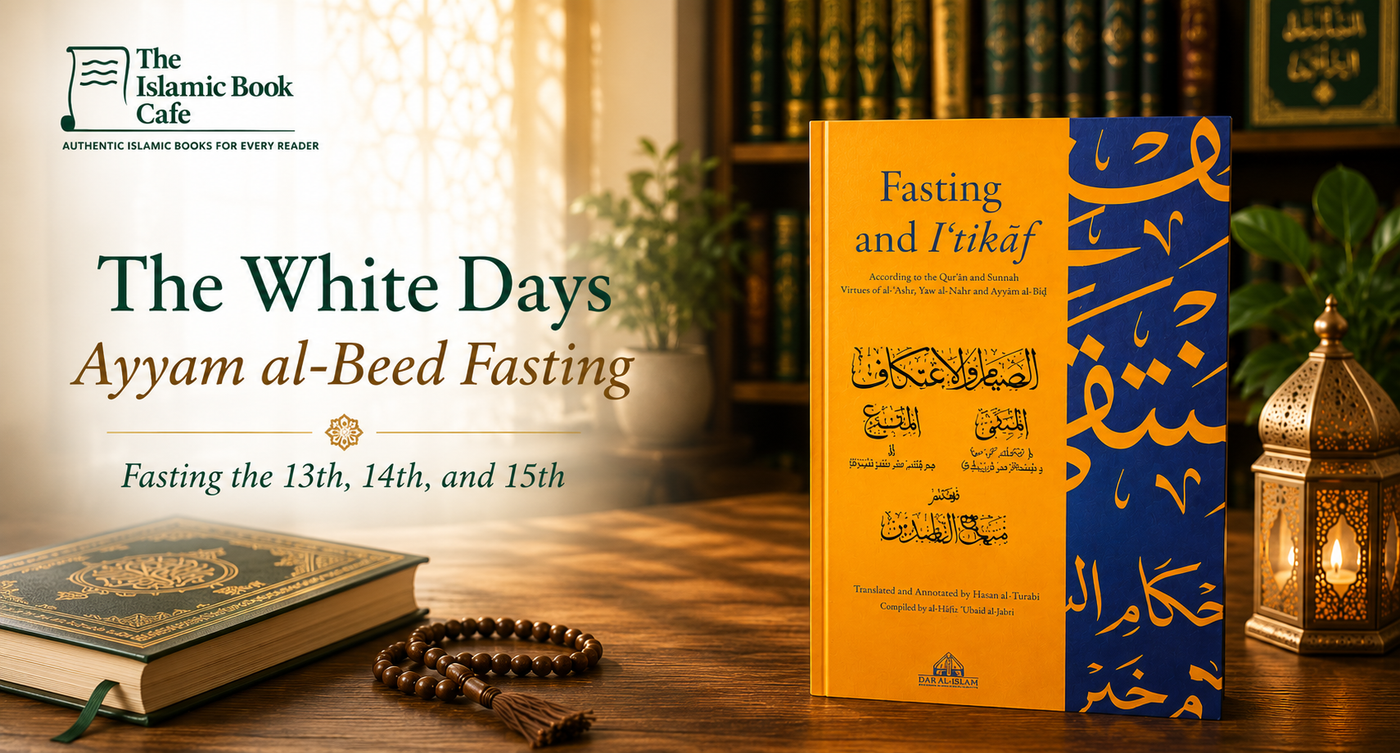
Among the most beloved voluntary acts of worship is a fast the Prophet, peace and blessings be upon him, recommended every single month of the year: the fast of the White Days, or Ayyam al-Beed. Three days, spread across each lunar month, that carry a reward far beyond their number.
What Are the White Days (Ayyam al-Beed)?
The White Days are the 13th, 14th, and 15th of each Islamic (lunar) month. Fasting them is a confirmed Sunnah that the Prophet, peace and blessings be upon him, encouraged and practised, a light and consistent way to keep voluntary fasting alive throughout the year rather than only in Ramadan.
Why Are They Called the “White” Days?
They are named for the nights, not the days: on the 13th, 14th, and 15th the moon is at or near full, so those nights are bright, “white,” with moonlight from dusk till dawn. The name marks the middle of the lunar month, making the days easy to remember and easy to track by simply looking to the sky.
The Great Reward of Fasting Three Days a Month
Qatadah ibn Milhan (may Allah be pleased with him) reported the Prophet's command, peace and blessings be upon him, to fast these days and the reward attached to them:
The Messenger of Allah, peace and blessings be upon him, used to command us to fast the days of the white (nights): thirteenth, fourteenth and fifteenth of the month. He said: This is like keeping perpetual fast.
Sunan Abi Dawud 2449, graded Sahih (al-Albani). The reward is immense because Allah multiplies every good deed at least tenfold, so three days in each month, kept consistently, carry the weight of fasting the whole month, and across the year, a lifetime of fasting.
And the direct command to single out the thirteenth, fourteenth, and fifteenth comes in the narration of Abu Dharr al-Ghifari (may Allah be pleased with him):
O Abu Dharr! When you fast three days out of a month, then fast the thirteenth, fourteenth, and fifteenth.
Jami' at-Tirmidhi 761, graded Hasan.
Which Days Exactly, and How to Track Them
Because the Islamic calendar follows the moon, the White Days shift relative to the Gregorian calendar each month. The simplest method is to follow a reliable Hijri calendar and mark the 13th, 14th, and 15th. If a person can only fast some of them, fasting even one or two of the three still carries the merit of voluntary fasting.
How to Fast the White Days
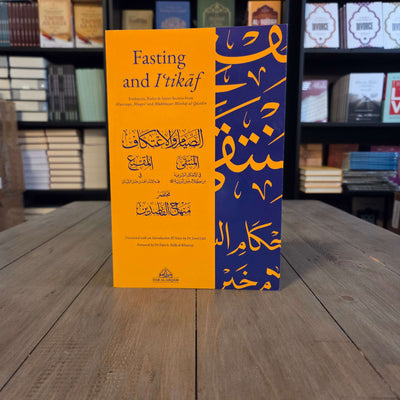
Fasting the White Days is exactly like any voluntary fast: form the intention, then abstain from food, drink, and other invalidators from the break of dawn (Fajr) until sunset (Maghrib). A voluntary fast may be intended in the morning provided nothing invalidating has occurred, though intending from the night before is more complete. The evidences, conditions, and inner meanings of fasting are laid out in Fasting and I'tikaf: Evidences, Rules & Inner Secrets.
Keeping Voluntary Worship Alive Beyond Ramadan
The White Days train the believer in consistency: the deeds most beloved to Allah being those done regularly, even if small. They are a gentle, monthly return to the discipline of fasting many first taste in Ramadan. The same principle runs through the other voluntary fasts of the year. See The Virtues of Muharram and Fasting on the Day of Ashura and Fasting the Month of Shaban.
Baarakallahu feekum — The Islamic Book Cafe | Portland, Oregon.
Leave a comment
This site is protected by hCaptcha and the hCaptcha Privacy Policy and Terms of Service apply.