
How to Pray Istikhara: A Step-by-Step Guide from the Sunnah
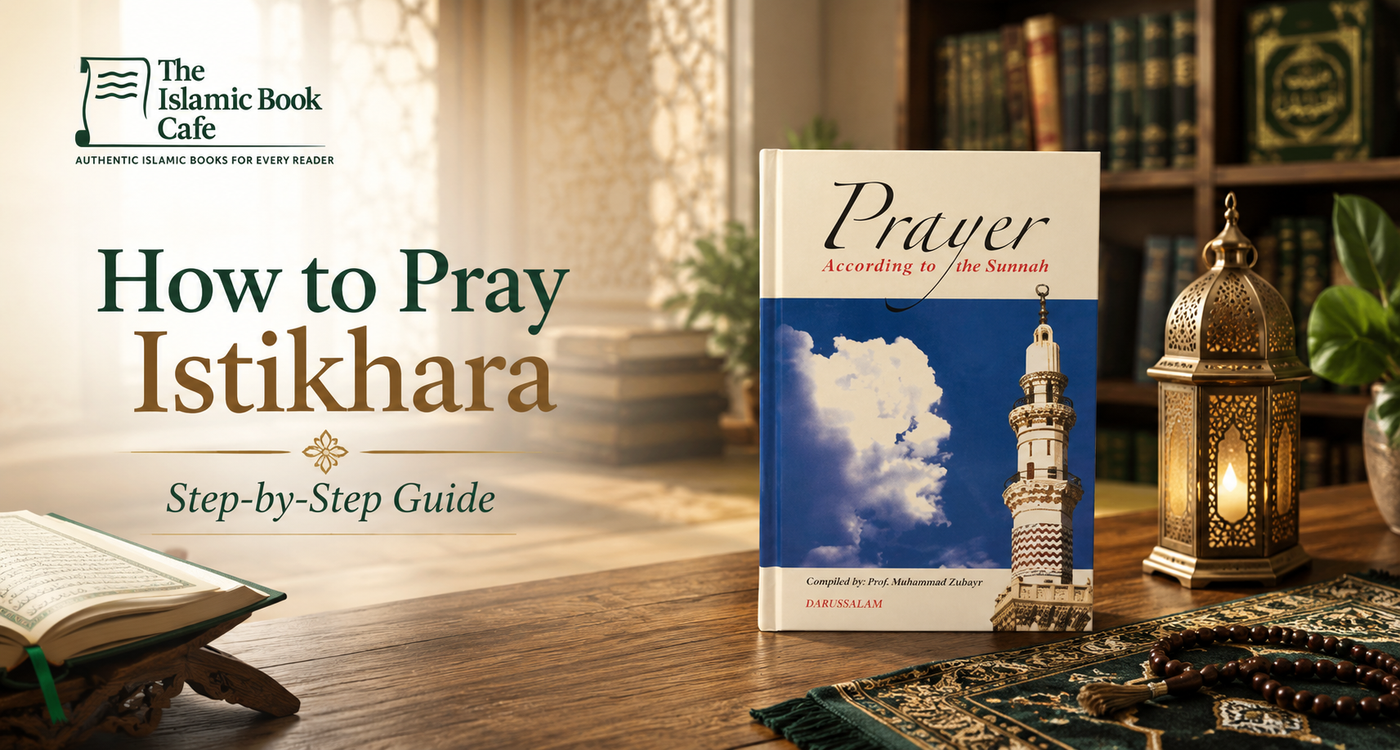
When a believer faces a decision and cannot see the right path, the Sunnah does not leave him to guesswork or anxiety. The Prophet, peace and blessings be upon him, taught his Companions a prayer for precisely these moments: Salat al-Istikhara, the prayer of seeking the best outcome from Allah. It is one of the most practical gifts of the Sunnah, a way of handing a matter back to the One who knows what we do not.
What Is Salat al-Istikhara?
Istikhara means asking Allah to guide you to the better of two choices and to make it easy for you. It is not fortune-telling and it is not a request for a dream or a sign. It is an act of worship in which a servant admits his own limited knowledge and asks the All-Knowing to choose for him. Jabir ibn 'Abdullah (may Allah be pleased with him) reported that the Prophet, peace and blessings be upon him, would teach istikhara for every affair as he would teach a chapter of the Qur'an.
When Should You Pray Istikhara?
Istikhara is prayed for any permissible matter in which you are genuinely undecided: a marriage proposal, a job, a move, a business decision. It is not needed for what is already obligatory or clearly forbidden, and it is not needed for trivial reflexes. Once you have prayed it, you proceed with the decision your heart inclines toward while trusting that Allah has directed the outcome.
How to Pray Istikhara Step by Step
- Form the intention in your heart for Salat al-Istikhara. No spoken formula is required.
- Pray two rak'ahs of voluntary prayer, outside the forbidden times, as you would pray any two rak'ahs upon the Sunnah.
- After completing the two rak'ahs, raise your hands and recite the du'a of istikhara.
- Where the du'a names “this matter,” mention your specific need in your heart or on your tongue.
- Proceed with your affair, relying upon Allah, and repeat the istikhara if you remain uncertain.
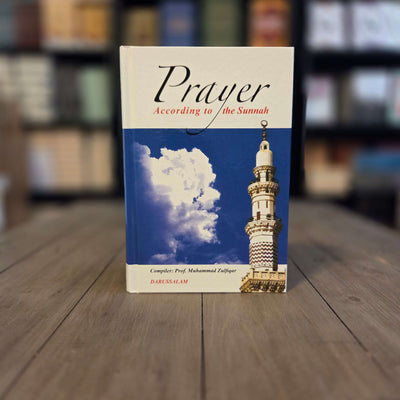
If you are unsure how to perform the two rak'ahs correctly, follow our full guide on how the Prophet, peace and blessings be upon him, prayed, step by step. For a book-length treatment of every prayer of the Sunnah, including the place of istikhara among the voluntary prayers, our readers benefit from Prayer According to the Qur'an and Sunnah by Prof. Muhammad Zulfiqar.
The Authentic Du'a of Istikhara
Jabir ibn 'Abdullah (may Allah be pleased with him) reported that the Prophet, peace and blessings be upon him, taught istikhara for every matter as he would teach a chapter of the Qur'an, and said that whoever intends a matter should pray two rak'ahs other than the obligatory prayer and then supplicate:
O Allah, I consult You as You are all-knowing, and appeal to You to give me power as You are omnipotent, and ask You for Your Great Favor, for You have power, but I do not have, and You have Knowledge, but I do not have, and You know all hidden matters. O Allah, if You know that this matter is good for me in my religion, my livelihood, and for life in the hereafter (or: for my present and future life), then accomplish it for me; and if You know that this matter is evil for me in my religion, my livelihood, and for my life in the hereafter (or: for my present and future life), then keep it away from me and take me away from it, and choose what is good for me, wherever it is, and let me be pleased with it.
Narrated by Jabir ibn 'Abdullah; Sahih al-Bukhari 1166 (Book of the Tahajjud), graded Sahih. English rendering as given in Prayer According to the Qur'an and Sunnah (from Riyad-us-Saliheen, Darussalam). The hadith adds that the one praying should then name the specific matter he is asking about.
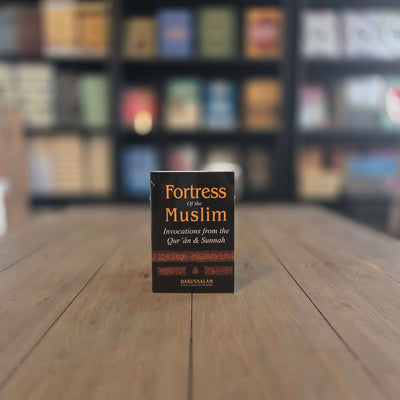
This supplication is also collected among the daily invocations of the believer in Fortress of the Muslim: Invocations from the Qur'an and Sunnah, a book every household benefits from keeping close.
What to Do After Praying Istikhara
There is no requirement to see a dream, feel a particular emotion, or wait for a sign. After istikhara, move forward with the matter and trust that Allah, in His wisdom, will facilitate what is good and turn you away from what is harmful, even if the outcome differs from what you first wanted. Contentment with Allah's decree is part of the worship itself, a theme explored in our guide on developing khushu' and presence of heart in worship.
Common Mistakes to Avoid in Istikhara
Some believers wait passively for a vision, delay every decision indefinitely, or treat a random feeling as a binding verdict. Others neglect consultation (istishara) with trustworthy, knowledgeable people, which the Sunnah pairs naturally with istikhara. Istikhara is asking Allah to choose; istishara is using the means He placed before you. Both belong together.
Baarakallahu feekum — The Islamic Book Cafe | Portland, Oregon.
Leave a comment
This site is protected by hCaptcha and the hCaptcha Privacy Policy and Terms of Service apply.