
The Virtues of Muharram and Fasting on the Day of Ashura
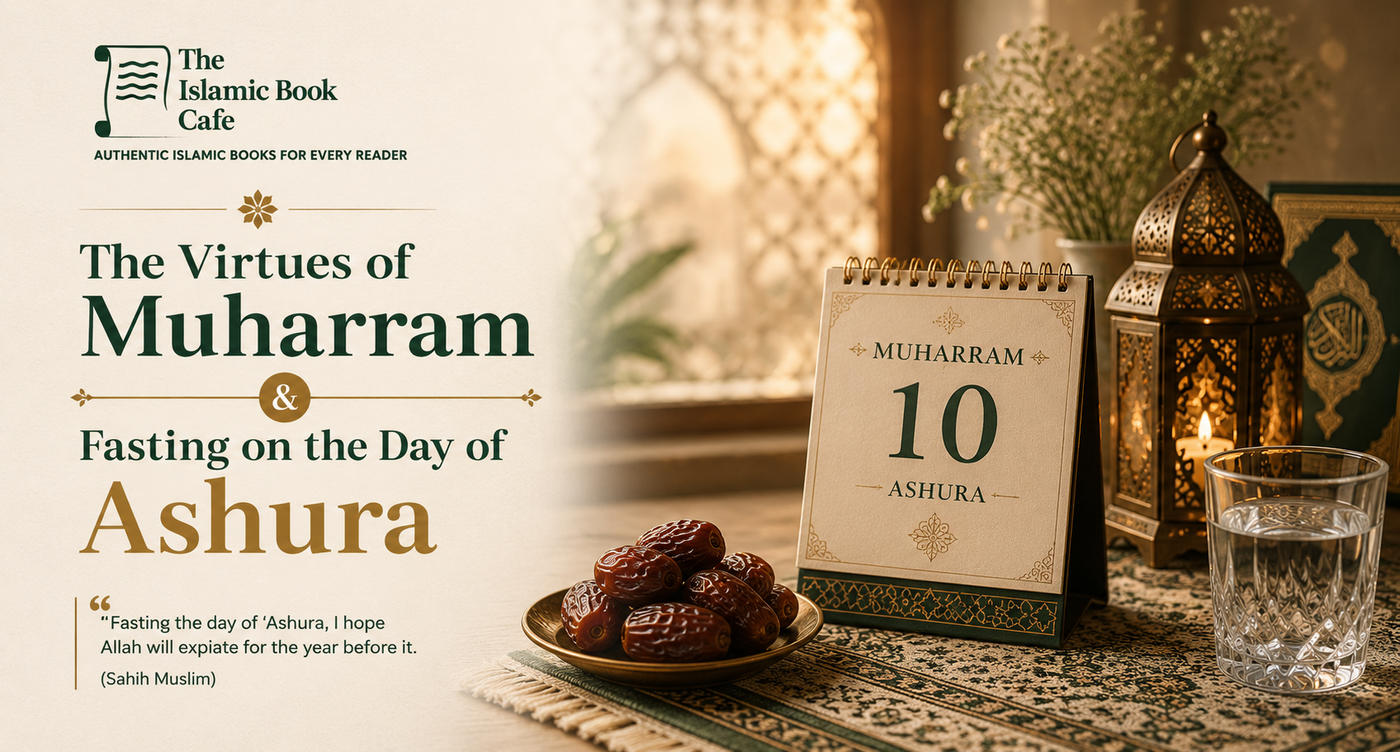
Muharram holds a special place in the Islamic calendar. It is the month Allah Himself named among the four sacred months, and within it lies a single day whose virtue the Prophet, peace and blessings be upon him, singled out above almost every other day of the year: the Day of Ashura.
What Is Ashura?
Ashura is the tenth day of Muharram, the first month of the Islamic lunar calendar. Ibn Abbas (may Allah be pleased with him) said:
"I never saw the Prophet seeking to fast on a day that he favored more than another except this day, the day of 'Ashura', and this month, meaning the month of Ramadan."
(Sahih al-Bukhari 2006)
Why the Prophet, Peace and Blessings Be Upon Him, Fasted the Day of Ashura
When the Prophet, peace and blessings be upon him, arrived in Madinah, he found the Jews fasting on Ashura. He asked them about it, and they said it was the day Allah rescued Musa (Moses) and the Children of Israel from their enemy, so Musa fasted in gratitude. The Prophet, peace and blessings be upon him, said:
"We have more claim over Moses than you."
(Sahih al-Bukhari 2004 and Sahih Muslim 1130)
So he fasted that day and ordered the Muslims to fast it as well.
The Reward of Fasting Ashura: Expiation of Sins
Among the virtues of this day is its expiation of sins. When the Prophet, peace and blessings be upon him, was asked about fasting the Day of Ashura, he said:
"It expiates the sins of the preceding year."
(Sahih Muslim 1162)
The scholars explain that this expiation applies to minor sins, while major sins require sincere tawbah on their own. Even still, this is an immense mercy from Allah, an entire year's worth of minor sins forgiven through the fast of a single day.
Fasting the Ninth Day Alongside the Tenth (Tasu'a and Ashura)
Toward the end of his life, the Prophet, peace and blessings be upon him, intended to differ from the Jews and Christians in how this day was observed. Ibn Abbas (may Allah be pleased with him) narrated:
"When the Messenger of Allah fasted the Day of Ashura and commanded that it be observed as a fast, they said: 'O Messenger of Allah, it is a day venerated by the Jews and Christians.' So the Messenger of Allah said: 'When the next year comes, if Allah wills, we will fast the ninth day.' But the next year did not come before the Messenger of Allah passed away."
(Sahih Muslim 1134)
Based on this hadith, the scholars of Ahlus-Sunnah recommend fasting the 9th alongside the 10th of Muharram (known as Tasu'a and Ashura), both to follow the Prophet's stated intention and to distinguish the Muslim's worship from that of other nations. For more on building consistent, Sunnah-grounded worship, see our post on Salah: The Second Pillar of Islam.
How to Observe This Virtuous Day
Observing Ashura is simple and requires no special rituals beyond what the Sunnah established:
- Fast on the 9th and 10th of Muharram (or the 10th and 11th, if the 9th is missed)
- Make the intention (niyyah) for the fast, as with any voluntary fast
- Avoid introducing any practices not established in the Sunnah: this day carries no special prayers, gatherings, or rituals beyond fasting
It is worth noting that some innovated practices have attached themselves to this day over the centuries, including mourning rituals and fabricated narrations about cooking special foods. None of these have any basis in the authentic Sunnah. The way of the Salaf was simple: fast, and be grateful to Allah.
The other voluntary fasts of the year follow the same pattern. See The White Days (Ayyam al-Beed) and Fasting the Month of Shaban.
Strengthen Your Knowledge This Muharram
If you'd like to deepen your understanding of the Islamic calendar, voluntary fasting, and authentic worship grounded in the Qur'an and Sunnah, these titles are a good place to start:
Fortress of the Muslim, the du'a collection for daily worship, including supplications for fasting and the sacred months.
The Explanation of The Three Fundamental Principles, foundational aqeedah reading for understanding why we worship Allah the way the Prophet, peace and blessings be upon him, taught us, without innovation.
Browse our full Fiqh collection
Baarakallahu feekum — The Islamic Book Cafe | Portland, Oregon.
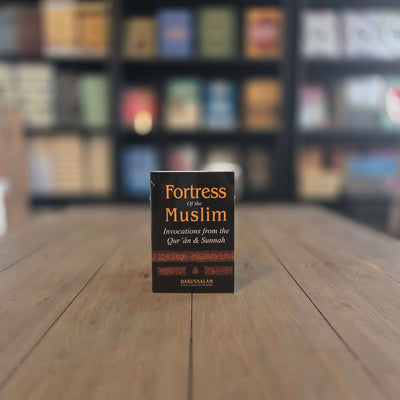 Fortress of The Muslim Invocations from the Quran and SunnahDarussalam Publishers$8.00
 The Explanation of The Three Fundamental PrinciplesAuthentic Statements Publications$35.00
Leave a comment
This site is protected by hCaptcha and the hCaptcha Privacy Policy and Terms of Service apply.