
Kitab at-Tawheed: The Book of Monotheism, What Every Muslim Needs to Know
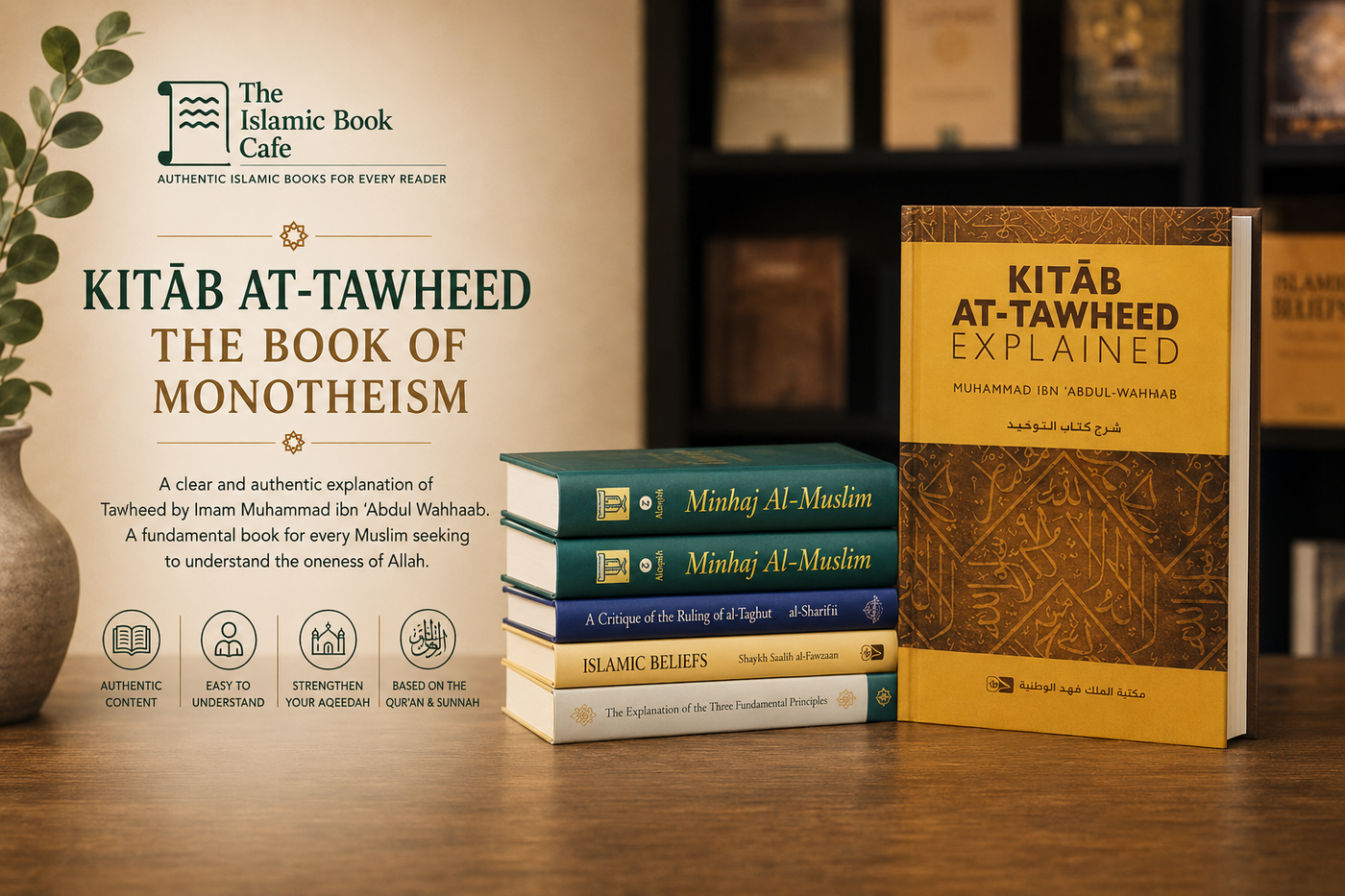
Tawheed is the foundation of Islam. It is the first thing the Prophet, peace and blessings be upon him, called people to, the last thing a Muslim says before death, and the single most important matter a Muslim can study, understand, and act upon. Kitab at-Tawheed by Shaykh Muhammad ibn Abd al-Wahhab (may Allah have mercy on him) is widely studied across the Muslim world, and for good reason.
It is not a book you read once. It is a book you return to regularly to renew your understanding, check your intentions, and guard yourself against the many forms of shirk that a person can fall into without realizing it. Here is an overview of what the book covers.
Tawheed ar-Rububiyyah: Oneness of Lordship
This is the belief that Allah alone is the Creator, Sustainer, and Controller of all that exists. He gives life and He appoints death. He provides and He withholds. Nothing happens in the heavens or the earth except by His will and decree. Allah says in the Qur'an:
Allah is the Creator of all things, and He is, over all things, Disposer of affairs. (Surah az-Zumar 39:62, Saheeh International)
Even the mushrikeen of Makkah at the time of the Prophet acknowledged Tawheed ar-Rububiyyah. What they failed in was the next category, which is why the Prophet's call focused primarily on that.
Tawheed al-Uluhiyyah: Oneness of Worship
This is the most important category and the one that Kitab at-Tawheed focuses on most extensively. It means that all acts of worship (prayer, supplication, sacrifice, fear, hope, reliance, love) must be directed to Allah alone. Not to prophets, not to saints, not to graves, not to angels, and not to anything else alongside Him.
Allah says:
And they were not commanded except to worship Allah, [being] sincere to Him in religion, inclining to truth, and to establish prayer and to give zakah. And that is the correct religion. (Surah al-Bayyinah 98:5, Saheeh International)
When a person directs any act of worship to other than Allah, or alongside Allah, they have fallen into shirk, the one sin Allah has declared He will not forgive if a person dies upon it. Kitab at-Tawheed goes through the acts of worship one by one, with Qur'anic evidence and hadith, making clear what belongs to Allah alone and warning against the specific ways people deviate from this.
Tawheed al-Asma wa al-Sifat: Oneness of Allah's Names and Attributes
This category covers affirming everything Allah has affirmed for Himself in the Qur'an and the authentic Sunnah (His names, His attributes, His descriptions) without distorting them, denying them, asking how they are, or likening them to the attributes of creation. We affirm what Allah affirmed and negate what Allah negated, upon the understanding of the Salaf.
It was precisely here that groups like the Jahmiyyah and the Mu'tazilah went astray, abandoning the plain sense of the narrations for speculative theology (kalam). The imams recognized that safety lay with the people of hadith, who kept to what was transmitted; see our excerpt The Truth Is With the People of Hadith.
Knowing the names of Allah is how we know Him. It is what allows us to call on the name most befitting in any given situation. It is the basis of our love for Him, our fear of Him, and our hope in Him. For a fuller introduction to who Allah is, covering His name, His mercy, His majesty, and His names and attributes, see our cornerstone guide, and for the names themselves, The 99 Names of Allah.
Understanding these categories of tawheed is essential to fulfilling the conditions of the shahada itself, a theme we explore further in The Manner of Entering Paradise.
About the Book
Kitab at-Tawheed Explained is available at The Islamic Book Cafe. It presents the original text of Shaykh Muhammad ibn Abd al-Wahhab along with explanation, making it accessible to English-speaking readers who want to study this foundational subject properly.
We also carry two related titles that complement this study well:
- Islamic Beliefs: A Brief Introduction to the Aqidah of Ahl as-Sunnah wal-Jamaah, a clear and concise overview of the beliefs of Ahlus-Sunnah, suited to new Muslims or anyone wanting a foundational summary of Islamic creed.
- A Critique of the Ruling of al-Taqlid by Muhammad ibn Ali al-Shawkani, a scholarly work for those who want to understand the importance of following evidence over blind following of a school of thought. We cover it in Taqlid in Islam.
Aqeedah is where every Muslim's reading should begin. For where to go after it (Qur'an, hadith, seerah, fiqh, and more) see our complete guide to the best Islamic books by topic, and for creed specifically, Best Aqeedah Books for Beginners.
Browse our full Aqeedah collection here
Baarakallahu feekum — The Islamic Book Cafe | Portland, Oregon.

Leave a comment
This site is protected by hCaptcha and the hCaptcha Privacy Policy and Terms of Service apply.