
Pearls from the Scholars #4: When Repentance Brings Hardship
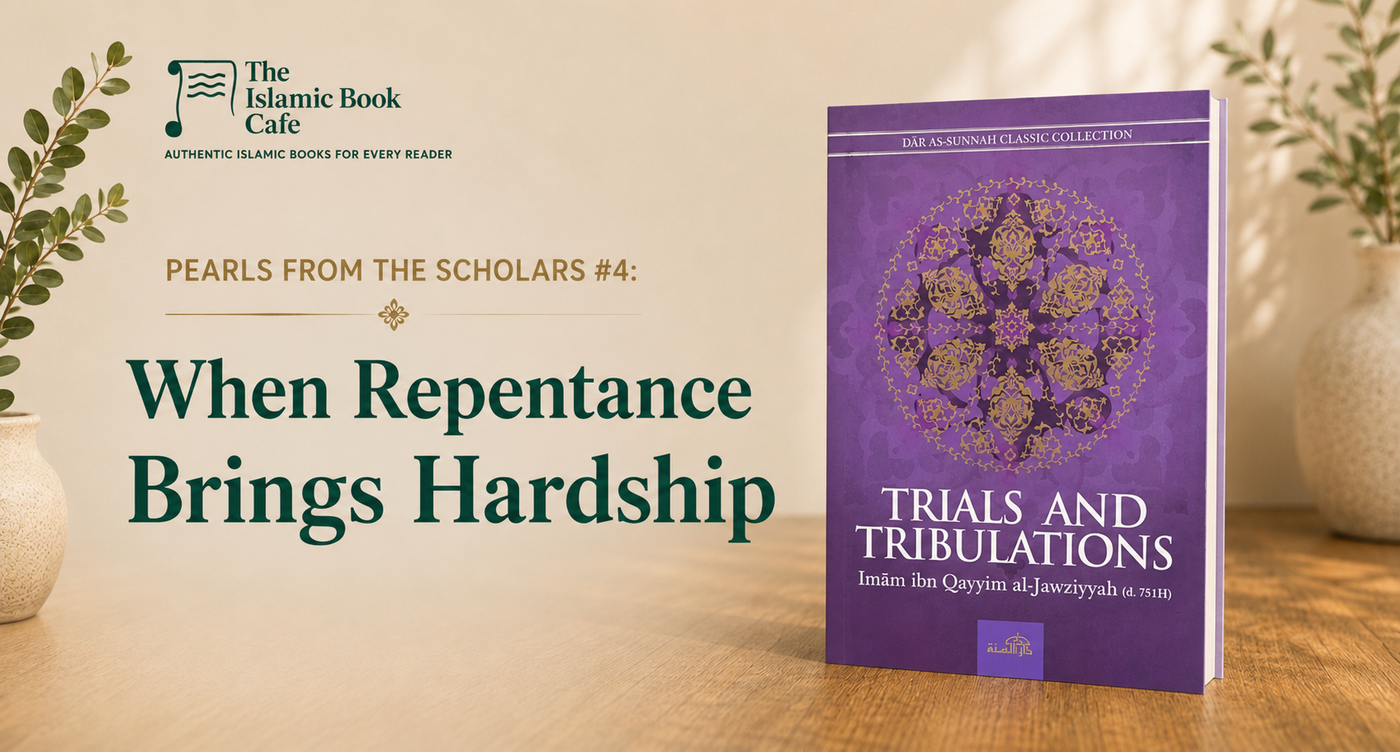
In our ongoing Pearls from the Scholars series we take a single passage from one of the imams who followed the way of the Salaf as-Salih and sit with it for a while. This week's pearl comes from Imam Ibn al-Qayyim al-Jawziyyah (d. 751H) in his treatise Trials and Tribulations, where he answers a complaint that many sincere hearts have quietly carried.
He describes people who came to him troubled by a pattern they had noticed in their own lives: that turning back to Allah seemed to make things harder, while returning to sin seemed to make things easier:
More than one person has said to me, "when I repent to Him and work righteous deeds, He restricts my provision and makes life difficult. When I return to sin and submit to my lusts, provision and ease come freely to me." I say to them, "this is a test from Allah so that He may see your truthfulness and patience. Are you truthful in turning to Him and going to Him, are you able to bear His trial with patience so that the end will be for you; or are you untruthful in your repentance."
Why Life Can Feel Harder After You Repent
The experience Ibn al-Qayyim describes is real, and he does not brush it aside. A person leaves a sin, holds tight to the prayer, guards his tongue and his earnings, and then finds his provision squeezed and his path narrowed. Shaytan whispers that obedience is what brought this on him. But the Imam reframes the whole picture: this narrowing is not Allah turning away from the servant who returned to Him. It is Allah testing whether that return was true.
Ease in Sin Is Not a Sign of Allah's Pleasure
The other half of the complaint is the more dangerous one: that sin seemed to bring ease. Here the believer must remember that worldly comfort is not a scoreboard of Allah's love. Allah gives of this dunya to those He loves and to those He does not. When ease keeps flowing to a person who persists in disobedience, it may be istidraj, being drawn in little by little while heedless (see Surah al-An'am 6:44), rather than approval. Comfort in the middle of sin is a reason for concern, not reassurance.
Trials Are a Test of Truthfulness, Not a Punishment
This is the heart of the pearl. Ibn al-Qayyim states plainly that the hardship following repentance is a test from Allah so that He may see the servant's truthfulness and patience. Anyone can claim to have turned back; the claim is proven when turning back costs something and the servant holds firm anyway. This is exactly what Allah tells us:
Do the people think that they will be left to say, "We believe" and they will not be tried? But We have certainly tried those before them, and Allah will surely make evident those who are truthful, and He will surely make evident the liars.
— Surah al-Ankabut 29:2–3, Saheeh International
The same lesson runs through the very first pearl in this series, When Allah Intends Good for His Servant: hardship sent to a believer is often a sign of Allah's care, not His anger.
Bearing the Trial with Patience Until the End
Ibn al-Qayyim closes with the question every tested servant must answer: are you able to bear His trial with patience so that the end will be for you? The promise sits in that last phrase: the end will be for you. The squeeze is temporary; the outcome for the patient, truthful believer is already secured. So if you are walking through a season where doing the right thing has made life harder, that is not evidence you chose wrong. It may be the clearest evidence that your repentance was real. For more on steadying the heart when life presses in, see How Islam Can Help with Personal Struggles, and the fuller passage in our excerpt Trials and Tribulations.
Ibn al-Qayyim's Trials and Tribulations is a short treatise on the wisdom hidden inside hardship, available at The Islamic Book Cafe.
Baarakallahu feekum — The Islamic Book Cafe | Portland, Oregon.

Leave a comment
This site is protected by hCaptcha and the hCaptcha Privacy Policy and Terms of Service apply.