
How Islam Can Help with Personal Struggles
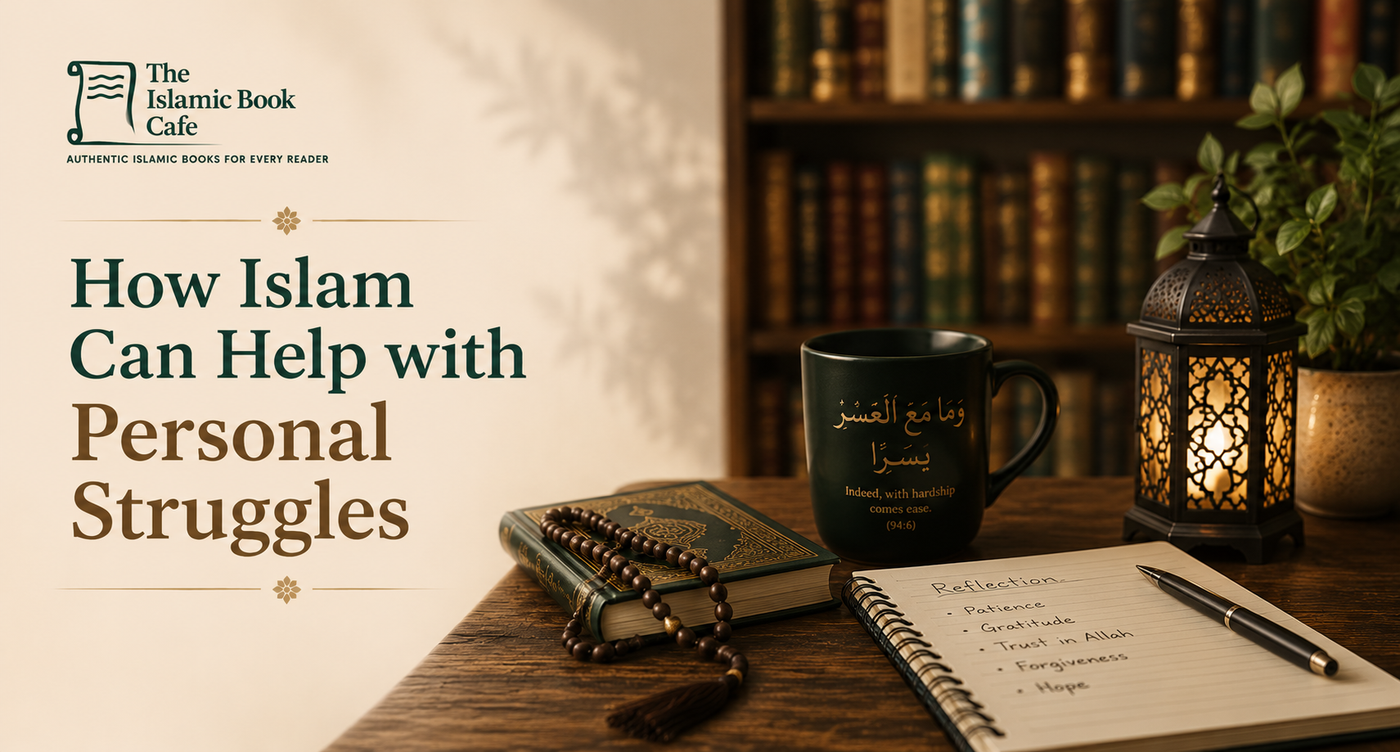
Every one of us meets hardship: in our health, our families, our finances, our relationships. In those moments we need more than encouragement; we need guidance that anchors the heart. Islam offers exactly that: a complete framework, drawn from the Qur'an and the authentic Sunnah, for meeting trials with patience, perspective, and trust in Allah, and emerging from them stronger. This article looks at what the Qur'an and Sunnah teach about facing personal struggles.
Allah Never Burdens a Soul Beyond Its Capacity
The first comfort for anyone overwhelmed by hardship is the certainty that Allah has measured it to what you can bear. Allah says:
"Allah does not charge a soul except [with that within] its capacity..."
(Surah al-Baqarah 2:286, Saheeh International)
Whatever you are carrying, it is not beyond what Allah knows you are able to carry. That knowledge alone can turn panic into patience.
Find Strength in Patience and Prayer
When the weight of a struggle presses down, Islam directs the believer to two anchors: patience and prayer. Allah says:
"And seek help through patience and prayer, and indeed, it is difficult except for the humbly submissive [to Allah]."
(Surah al-Baqarah 2:45, Saheeh International)
In prayer the believer is never alone, for he stands before the One who is nearer to him than any helper. Allah says:
"...And He is with you wherever you are. And Allah, of what you do, is Seeing."
(Surah al-Hadid 57:4, Saheeh International)
Guarding the five daily prayers is the steadiest way to keep that connection alive through hard times. For how the Prophet, peace and blessings be upon him, prayed, see our companion post on Salah: The Second Pillar of Islam.
Every Hardship Carries Good for the Believer
Islam reframes hardship itself. For the believer, even difficulty is not loss. It is an occasion for reward. The Prophet, peace and blessings be upon him, said:
"Strange are the ways of a believer for there is good in every affair of his and this is not the case with anyone else except in the case of a believer for if he has an occasion to feel delight, he thanks (God), thus there is a good for him in it, and if he gets into trouble and shows resignation (and endures it patiently), there is a good for him in it."
(Sahih Muslim 2999)
And no pain a believer meets is wasted; Allah turns it into a means of cleansing:
"No fatigue, nor disease, nor sorrow, nor sadness, nor hurt, nor distress befalls a Muslim, even if it were the prick he receives from a thorn, but that Allah expiates some of his sins for that."
(Sahih al-Bukhari 5641)
And Allah pairs every hardship with relief, twice affirming His promise:
"For indeed, with hardship [will be] ease. Indeed, with hardship [will be] ease."
(Surah ash-Sharh 94:5-6, Saheeh International)
Take Responsibility and Reflect on Your Deeds
Islam calls the believer to own his choices rather than blame others for his circumstances. Each soul stands accountable for itself. Allah says:
"That no bearer of burdens will bear the burden of another."
(Surah an-Najm 53:38, Saheeh International)
And it calls for honest self-examination, looking inward at what we are sending ahead for the Hereafter:
"O you who have believed, fear Allah. And let every soul look to what it has put forth for tomorrow..."
(Surah al-Hashr 59:18, Saheeh International)
Through honest reflection we learn from our mistakes, seek forgiveness, and make real changes rather than staying stuck in the struggle.
Cultivate Gratitude and Contentment
Hardship narrows our vision to what is wrong; gratitude widens it again to all that is right. Allah ties gratitude directly to increase:
"And [remember] when your Lord proclaimed, 'If you are grateful, I will surely increase you [in favor]; but if you deny, indeed, My punishment is severe.'"
(Surah Ibrahim 14:7, Saheeh International)
Counting blessings in the middle of a trial shifts the heart from despair toward contentment and peace.
Persevere and Trust Allah's Plan Through Trials
When a struggle drags on, it is easy to lose hope. Islam teaches the believer to hold fast, certain that sincere good is never wasted with Allah:
"And be patient, for indeed, Allah does not allow to be lost the reward of those who do good."
(Surah Hud 11:115, Saheeh International)
Ibn al-Qayyim explores this theme of patience and the hidden wisdom behind hardship at length in Trials and Tribulations: Wisdom and Benefits, which we also cover in our excerpt on Trials and Tribulations.
Seek Knowledge and Sound Guidance
No one is meant to navigate hardship in isolation. Islam directs us to people of knowledge and sincere counsel. Allah says:
"...So ask the people of the message if you do not know."
(Surah an-Nahl 16:43, Saheeh International)
Sitting with people of knowledge, returning to the Qur'an and authentic Sunnah, and seeking sound advice all bring clarity to a struggle. When the trial is a faltering heart itself, our post on The Weakness of Faith lays out its causes and remedies.
Respond with Forgiveness and Compassion
Struggles can leave us angry and resentful toward others. Islam calls us higher: to pardon and to hope for Allah's pardon in return. Allah says:
"...and let them pardon and overlook. Would you not like that Allah should forgive you? And Allah is Forgiving and Merciful."
(Surah an-Nur 24:22, Saheeh International)
Letting go of resentment frees the heart and invites the mercy of Allah upon ourselves.
By leaning on patience and prayer, trusting Allah's wisdom in every hardship, examining ourselves honestly, holding to gratitude, persevering, seeking knowledge, and answering harm with forgiveness, the believer meets personal struggles with resilience and hope, trusting that Allah never wastes the patience of those who turn to Him.
May Allah relieve the distress of every struggling believer, strengthen our hearts through hardship, and make our trials a means of nearness to Him.
Baarakallahu feekum — The Islamic Book Cafe | Portland, Oregon.

Leave a comment
This site is protected by hCaptcha and the hCaptcha Privacy Policy and Terms of Service apply.