
Pearls from the Scholars #1: When Allah Intends Good for His Servant
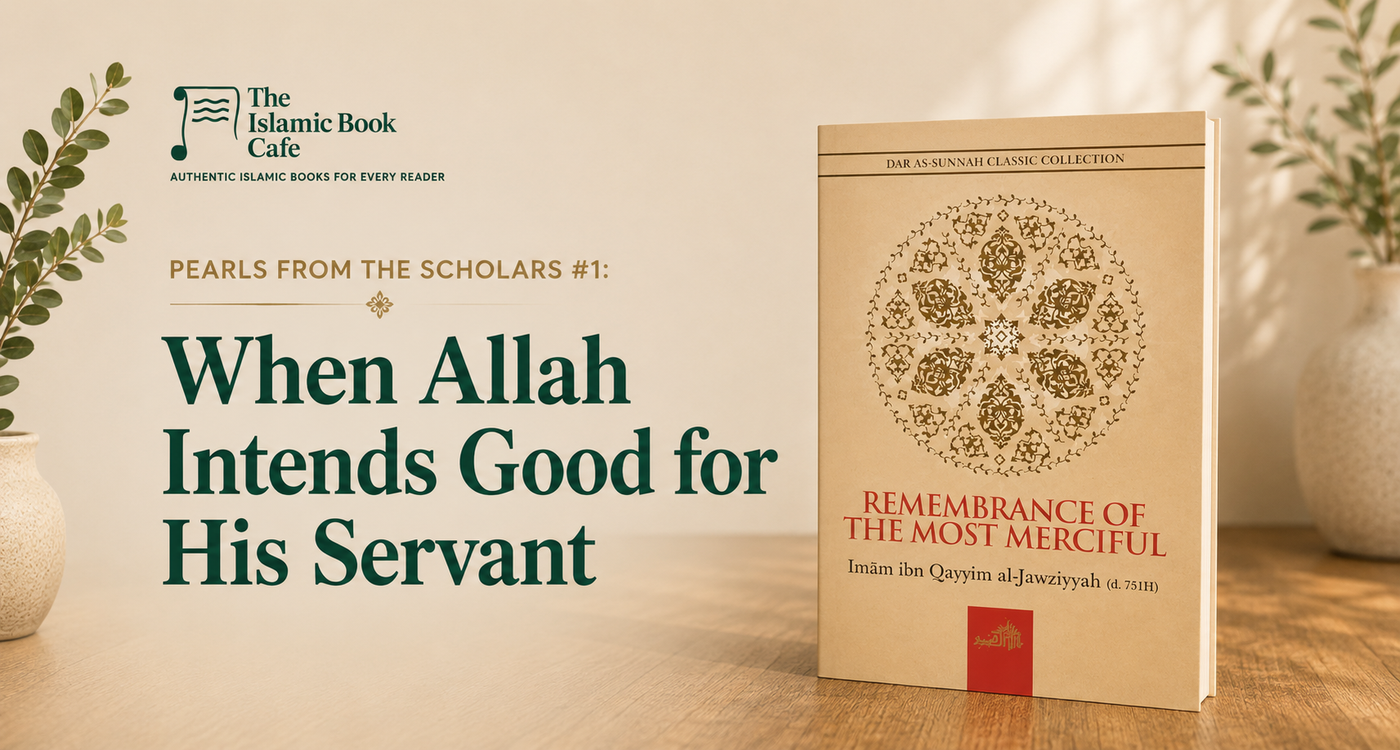
Ibn al-Qayyim al-Jawziyyah wrote in Remembrance of the Most Merciful:
“When Allāh intends some good for His servant, He opens for him the doors to: repentance (tawbah), remorse (nadm), abasement (inkisār), humility (dull), neediness (iftiqār), seeking Allāh’s help (isti‘ānah), seeking His true protection (sidq al-lajā‘a), perpetual humility (dawām al-taddaru‘), supplication (du‘ā’) and drawing closer to Him (taqarrab ilayhi) by means of performing good deeds (hasanāt), or avoiding sins (sayy’āt) which can be a means to Allāh’s mercy (rahma), until the enemy of Allāh says: ‘O I wish I had left him without causing him to fall!’”
Read that ending again.
The shaytan, the one who plotted the sin, who whispered, who waited, ends up wishing he had never gotten involved. Because the fall became a door. The sin became the very thing that drove the servant back to Allah with tawbah, with neediness, with du‘ā’. And through that return, the servant drew closer to Allah than he was before.
This is the mercy of Allah over His believing servant. A stumble does not have to be a verdict. When Allah intends good for you, He uses everything, including your worst moments, to bring you back to Him.
Ibn al-Qayyim is not offering false comfort here. He is describing a real spiritual mechanism: the doorways Allah opens after a sin (remorse, humility, du‘ā’, returning to good deeds) are themselves among His greatest gifts. The one who falls and is broken by it, who turns to Allah in genuine need, may stand in a place that the one who never fell never reaches.
This is why the scholars of the Sunnah always paired the discussion of sin with the discussion of tawbah. One without the other is incomplete. This same pairing of sin and sincere return runs through our excerpt on Keep Patient Company with the Believers, which also draws on this same book. The same theme is taken up from another angle in The Good Deed and the Bad Deed.
This pearl is taken from Remembrance of the Most Merciful by Imām Ibn al-Qayyim al-Jawziyyah, published by Dar as-Sunnah. In it, Ibn al-Qayyim walks through 78 benefits of the remembrance of Allah, beginning with chapters on how to rectify and purify the heart.
Read Remembrance of the Most Merciful
Baarakallahu feekum — The Islamic Book Cafe | Portland, Oregon.
Leave a comment
This site is protected by hCaptcha and the hCaptcha Privacy Policy and Terms of Service apply.