
Keep Patient Company with the Believers: Tafsir of Surah al-Kahf Ayah 28
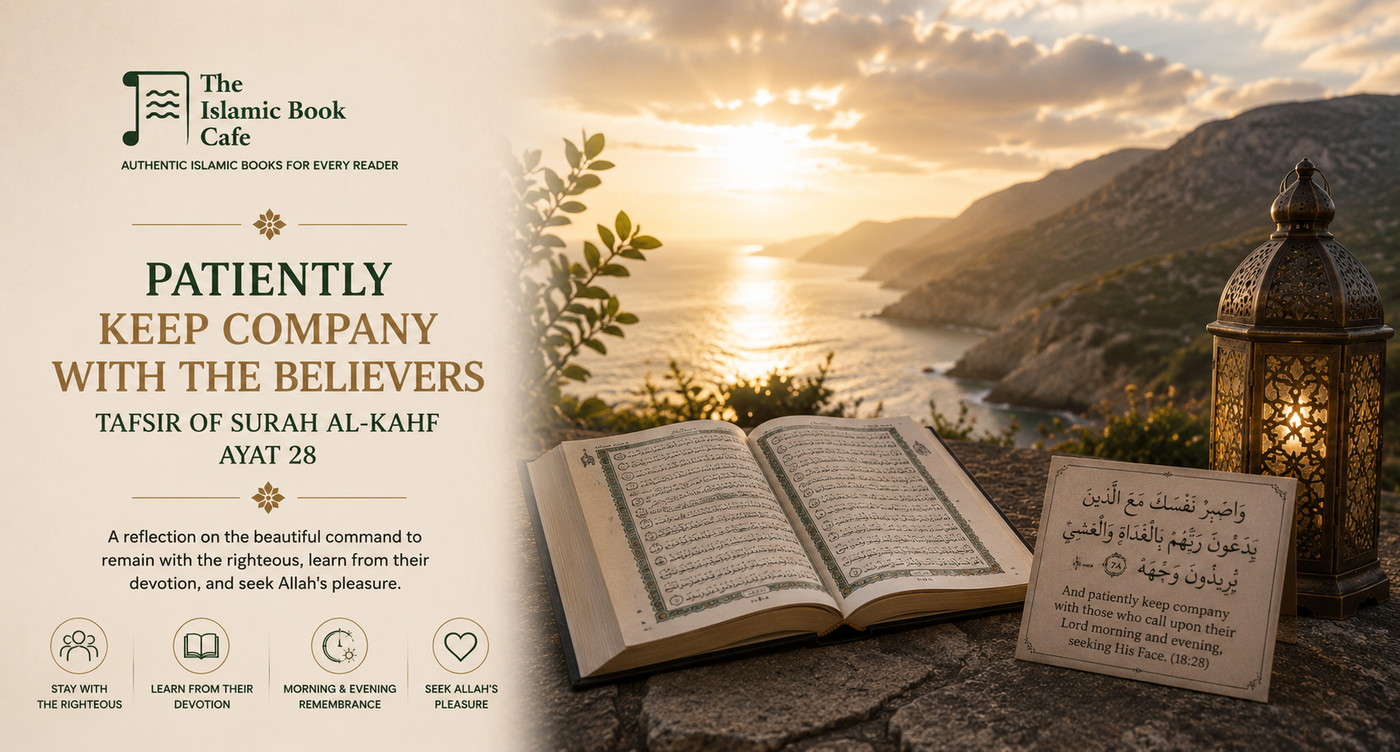
There is an ayah in Surah al-Kahf that the scholars have described as important guidance for the believer in every age. Allah addresses His Prophet, peace and blessings be upon him, and through him every Muslim, with a command about who to sit with, who to look at, and who not to obey.
"And keep yourself patient [by being] with those who call upon their Lord in the morning and the evening, seeking His countenance. And let not your eyes pass beyond them, desiring adornments of the worldly life, and do not obey one whose heart We have made heedless of Our remembrance and who follows his desire and whose affair is ever [in] neglect."
(Surah al-Kahf 18:28, Saheeh International)
The Context of the Verse
This ayah was revealed in response to a request from the nobles of Quraysh, who asked the Prophet, peace and blessings be upon him, to meet with them separately, without the poor and weak companions like Bilal, Ammar, Suhayb, Khabbab, and Ibn Masud. They found sitting alongside such people beneath their dignity and made their engagement with the Prophet conditional on his distancing himself from them.
Allah refused. He commanded His Prophet to remain with the believers who remember Allah, and He forbade him from letting his eyes wander toward the wealthy and powerful at the expense of those whose hearts were with their Lord.
What Ibn Kathir Says
Ibn Kathir (may Allah have mercy on him) explains the phrase "keep yourself patient with those who call upon their Lord" as a command to sit with those who remember Allah, who say La ilaha illallah, who praise and glorify Him, who call upon Him morning and evening, whether they are rich or poor, strong or weak. The nobility of a person in the sight of Allah is not their wealth or status. It is their connection to their Lord.
Ibn Abbas (may Allah be pleased with him) explained the prohibition against letting one's eyes pass beyond them as meaning: do not favor others over them, do not seek out the people of nobility and wealth in their place. His explanation of this verse can be read in Tafsir Ibn Kathir at Surah al-Kahf 18:28.
What as-Sa'di Says
Imam as-Sa'di (may Allah have mercy on him) draws out the wisdom of this command. He explains that keeping company with the righteous believers, even if they are poor, carries enormous benefit. Turning the eyes toward the adornments of the dunya, on the other hand, is described as harmful and of no benefit. It leads to attachment to this world, it distracts the heart from the remembrance of Allah, and it causes a person's affairs to fall into disorder.
He also explains the description of the one whom the believer is forbidden to obey: the one whose heart Allah has made heedless of His remembrance, who follows his own desires, and whose affairs are in a state of recklessness and neglect. Such a person, as-Sa'di notes, calls only to what is bad, not because he necessarily intends harm, but because his heart is disconnected from Allah and so his direction is inevitably wrong.
The opposite of this is the one who deserves to be followed: the one whose heart is filled with love for Allah, who remembers Him constantly, who gives precedence to the pleasure of Allah over his own desires, and whose affairs are therefore in order. This is the person who should be a companion, a reference point, and a leader.
A Reminder for Our Time
The pressure to chase the company of the wealthy, the influential, and the celebrated is as real today as it was when this ayah was revealed. Social media, status, and the dazzle of worldly success pull the attention constantly. This ayah is a correction, a reminder that the most valuable company is those who remember Allah, and the most dangerous company is those whose hearts are heedless of Him regardless of what they possess.
Choose your company carefully. The people you sit with shape your heart. And the heart is everything.
This same connection between remembrance and the life of the heart is explored in When the Heart Dries Up.
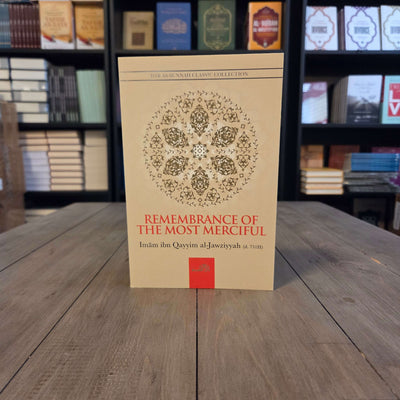
If you are looking for books on dhikr and the remembrance of Allah, we recommend Remembrance of the Most Merciful by Ibn al-Qayyim, available at The Islamic Book Cafe.
Baarakallahu feekum — The Islamic Book Cafe | Portland, Oregon.
Leave a comment
This site is protected by hCaptcha and the hCaptcha Privacy Policy and Terms of Service apply.