
Self-Help or Tazkiyah? Where Real Change Begins
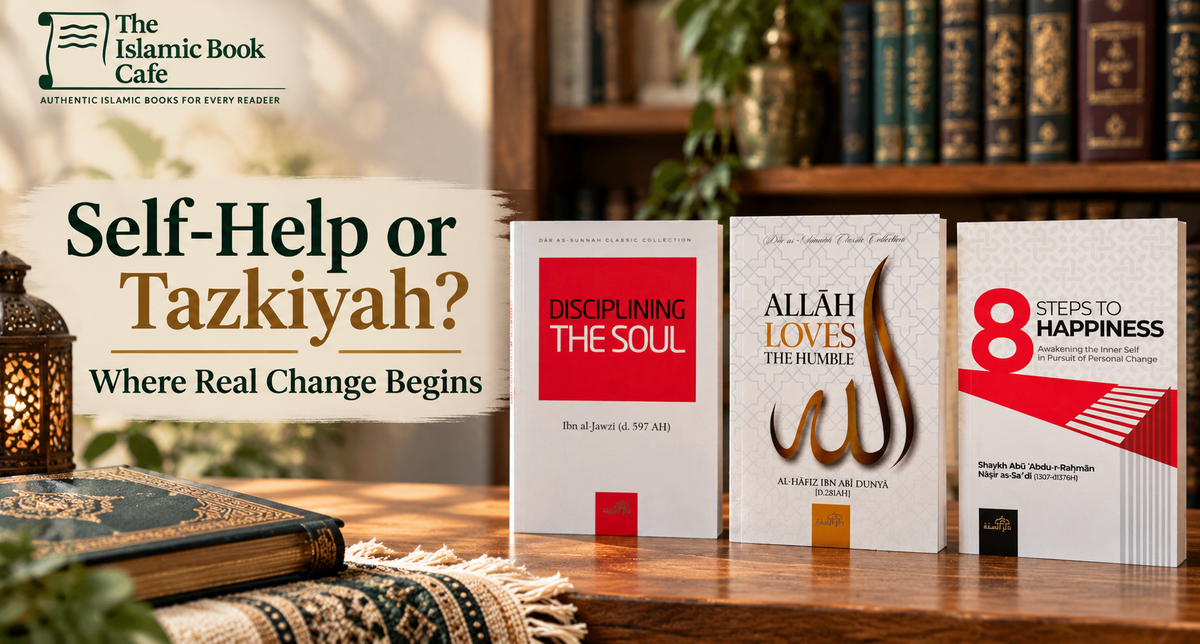
When a Muslim wants to change, to be calmer, more disciplined, more content, the first place many of us look is the self-help shelf. Those books are popular for a reason. They speak to real struggles, and some of their advice is sound. But the Qur'an and the Sunnah already address every one of those struggles, and they begin somewhere different.
This article sets out where the two part ways. Then it takes the common self-help themes one at a time and points to what Islam says about each, along with the book on our shelves that covers it.
Two Different Starting Points
Allah says:
"And [by] the soul and He who proportioned it. And inspired it [with discernment of] its wickedness and its righteousness, He has succeeded who purifies it, And he has failed who instills it [with corruption]."
— Surah ash-Shams 91:7–10
That purification is tazkiyah. Allah ties success itself to it.
The centre: the self, or Allah
Self-help puts the self at the centre. Its questions are what you want, what holds you back, and how to get there. Tazkiyah puts Allah at the centre. Its questions are what Allah wants from you, what in your soul stands in the way, and how to remove it. In self-help the self is something to serve. In tazkiyah the self is something to purify and discipline.
The target: behaviour, or the heart
An-Nu'man ibn Bashir narrated that he heard the Messenger of Allah, peace and blessings be upon him, say in a longer narration:
"...Beware! There is a piece of flesh in the body if it becomes good (reformed) the whole body becomes good but if it gets spoilt the whole body gets spoilt and that is the heart."
— Sahih al-Bukhari 52
Self-help works mostly on behaviour and mindset. Tazkiyah works on the heart those behaviours come from: its sincerity, its attachments, and its diseases, such as pride, envy, and love of this world. Rectify the heart and the behaviour follows.
The horizon: this life, or the next
Self-help measures success within this life. The believer's horizon runs past the grave. A hardship that brings no worldly benefit can still be full of reward, and a worldly success can be a loss if it costs a person their religion.
What self-help gets right, and what it leaves out
Consistency, gratitude, discipline, and guarding your time all appear in self-help books, and all of them are in the Sunnah, with the right intention behind them and a reward that outlasts this life. The harm for the Muslim reader is in the assumptions underneath: that the self is the final authority, that feelings are the measure of what is true, and that every hardship is a problem to be removed rather than a test to be passed.
Theme by Theme: What Islam Says, and Where to Read It
Happiness
Self-help usually defines happiness as feeling good and getting what you want. Allah defines the good life differently:
"Whoever does righteousness, whether male or female, while he is a believer — We will surely cause him to live a good life, and We will surely give them their reward [in the Hereafter] according to the best of what they used to do."
— Surah an-Nahl 16:97
Read: 8 Steps to Happiness by Shaykh Abdur-Rahman Nasir as-Sa'di. A short, focused treatment of what happiness is, where it comes from, and what stands between a person and it, drawn from the Qur'an and Sunnah.
Confidence and self-esteem
Self-help tells you to believe in yourself. The believer relies on Allah and is humble before Him and before people, and the Prophet, peace and blessings be upon him, told us where honour actually comes from. Abu Hurayrah reported that the Messenger of Allah, peace and blessings be upon him, said:
"Charity does not decrease wealth, no one forgives another except that Allah increases his honor, and no one humbles himself for the sake of Allah except that Allah raises his status."
— Sahih Muslim 2588
Read: Allah Loves The Humble by al-Hafiz Ibn Abi Dunya, on humility and its opposite, arrogance, from the Qur'an, the Sunnah, and the reports of the Salaf.
Anxiety and sadness
Self-help offers techniques to calm the mind. Islam gives the heart something to rest on:
"Those who have believed and whose hearts are assured by the remembrance of Allah. Unquestionably, by the remembrance of Allah hearts are assured."
— Surah ar-Ra'd 13:28
Read: Don't Be Sad by Dr. A'id al-Qarni, practical guidance on worry, grief, and hardship, rooted in the Qur'an and Sunnah and written for everyday life.
Motivation and wasted time
Self-help motivates with goals and rewards in this life. Islam motivates with the reality that time is a trust and it is running out. Ibn Abbas narrated that the Prophet, peace and blessings be upon him, said:
"There are two blessings that many people are deceived into losing: health and free time."
— Sahih al-Bukhari 6412
Read: Awaking from the Sleep of Heedlessness by Imam Ibn al-Jawzi, on the person who is not wicked so much as asleep: to the shortness of life, to the accounting ahead, and to how easily this world consumes it.
Discipline and habits
Small, consistent habits are a favourite self-help theme. The Prophet, peace and blessings be upon him, taught it long before, and tied it to what Allah loves. Aishah narrated that the Messenger of Allah, peace and blessings be upon him, said:
"Do good deeds properly, sincerely and moderately and know that your deeds will not make you enter Paradise, and that the most beloved deed to Allah is the most regular and constant even if it were little."
— Sahih al-Bukhari 6464
Read: Disciplining the Soul by Imam Ibn al-Jawzi, on the soul that leans toward what it desires and away from obedience, and how to train it.
Breaking bad habits
Self-help treats a bad habit as a pattern to replace. Tazkiyah also asks what desire is driving it, and how to govern that desire rather than be governed by it.
Read: Release From the Shackles of Desire by Imam Ibn al-Qayyim al-Jawziyyah, on restraining the self from what is prohibited and freeing the heart from the desires that hold it.
Gratitude and patience
Gratitude journals are a self-help staple. For the believer, gratitude and patience together cover every situation in life. Suhayb reported that the Messenger of Allah, peace and blessings be upon him, said:
"Strange are the ways of a believer for there is good in every affair of his and this is not the case with anyone else except in the case of a believer for if he has an occasion to feel delight, he thanks (God), thus there is a good for him in it, and if he gets into trouble and shows resignation (and endures it patiently), there is a good for him in it."
— Sahih Muslim 2999
Read: Excellence of Patience and Gratefulness by Imam Ibn al-Qayyim al-Jawziyyah, on sabr and shukr as two sides of the same reality.
Where to Start
If you want the foundation before any single theme, begin with Purification of the Soul: Concept, Process and Means by Jamaal al-Din Zarabozo. It explains what tazkiyah is, how it works, and the means to it, in English and from the sources. From there, pick the theme you are struggling with most.
You can browse every title on this subject in our tazkiyah collection, and the author pages linked above tell you about each writer and their other books.
Baarakallahu feekum — The Islamic Book Cafe | Portland, Oregon.
 8 Steps to Happiness (Awakening the Inner Self in Pursuit of Personal Change) By Shaykh Abu Abdur-Rahman Nasir As-Sa'diDar as-Sunnah Publishers$10.00
 Allah Loves The Humble By Al-Hafiz Ibn Abi DunyaDar as-Sunnah Publishers$16.00
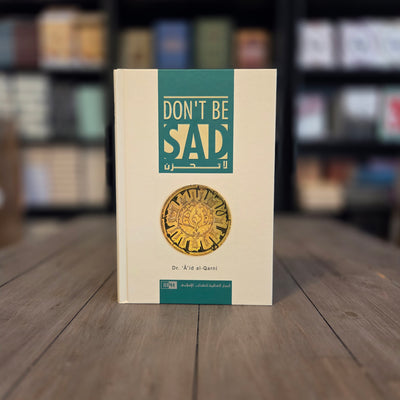 Don't Be Sad By Dr. A'id al-QarniInternational Islamic Publishing House$29.00
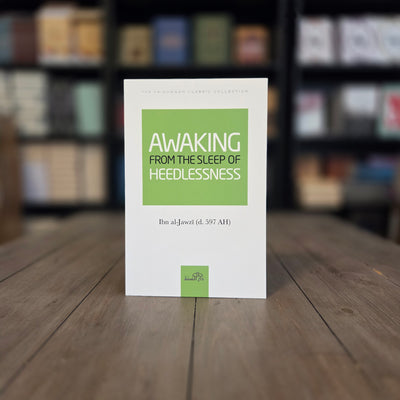 Awaking from the Sleep of Heedlessness By Ibn al-JawziDar as-Sunnah Publishers$10.00
 Disciplining the Soul By Ibn al-JawziDar as-Sunnah Publishers$17.00
 Release From the Shackles of Desire By Ibn QayimDakwah Corner Bookstore$8.00
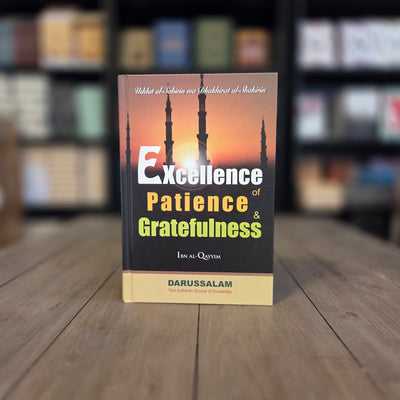 Excellence of Patience and Gratefulness By Ibn Al-QayyimDarussalam Publishers$30.00
 Purification of the Soul Concept, Process and Means By Jamaal Al-Din M. ZarabozoDakwah Corner Bookstore$35.00
Leave a comment
This site is protected by hCaptcha and the hCaptcha Privacy Policy and Terms of Service apply.