
Aisha (May Allah Be Pleased with Her): Her Attention to Hijab and Her Knowledge
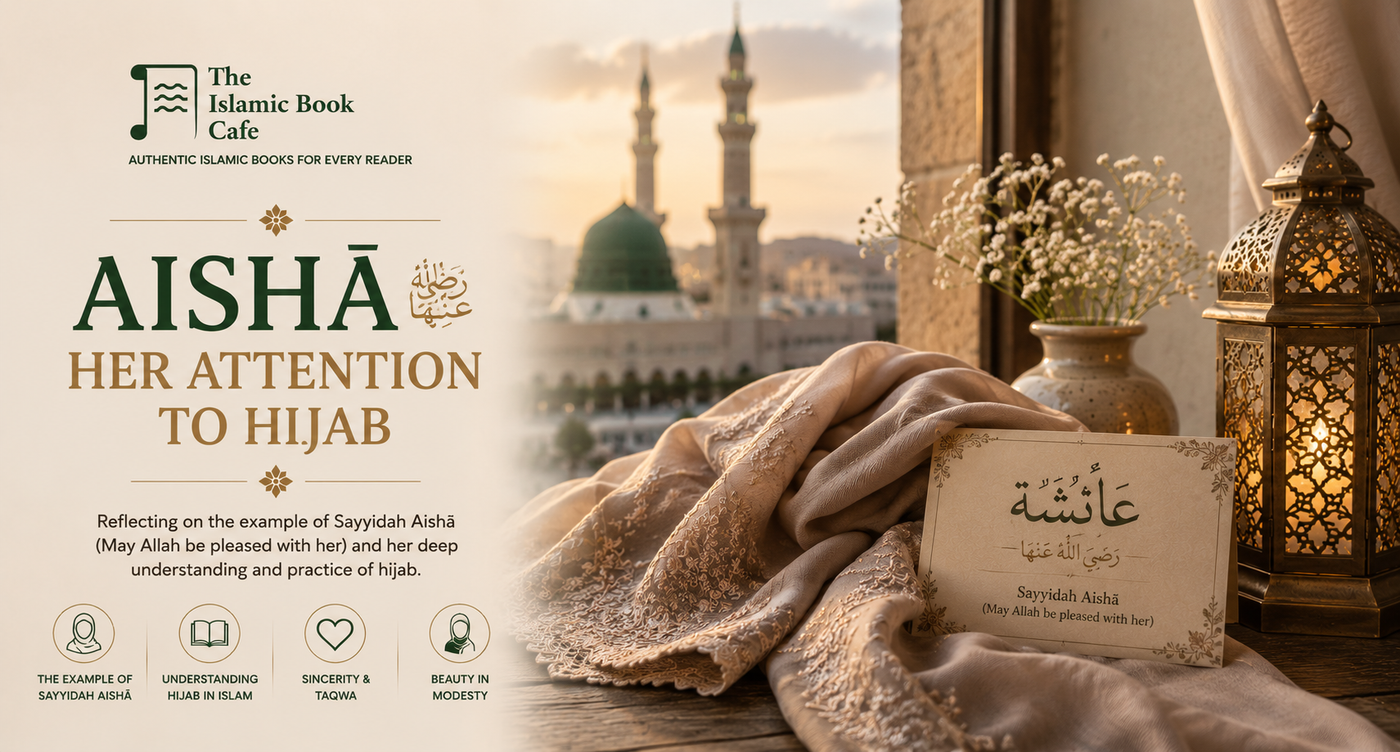
Aisha (may Allah be pleased with her) was the wife of the Prophet, peace and blessings be upon him, the mother of the believers, and among the great scholars of this ummah. After the death of the Prophet, she became a primary source of knowledge for the Companions and those who came after them, teaching fiqh, hadith, and the Sunnah to students from every region. Yet alongside her knowledge and her role as a teacher, she maintained a level of attention to hijab and modesty that left a profound impression on all who knew her.
Her Strict Observance of Hijab
Aisha (may Allah be pleased with her) was scrupulous about the boundaries of hijab and would not relax them on her own judgment, even for a relative, until a ruling had been made clear to her. She narrated that after the command of hijab was revealed, Aflah, the brother of Abu al-Qu'ais, who was her uncle through breastfeeding, sought permission to enter upon her, and she refused to admit him until she could ask the Prophet, peace and blessings be upon him. She said:
"My foster uncle came and asked permission to enter, but I refused to admit him till I asked Allah's Messenger about that. He said, 'He is your uncle, so allow him to come in.'"
(Sahih al-Bukhari 5239)
Though Aflah was in fact a mahram to her, she would not lower the barrier of modesty until the Sunnah confirmed it for her, a striking example of her caution in this matter.
This same care extended to every setting. She covered herself thoroughly in public, and even while teaching she kept a barrier between herself and male students who were not her mahram, conveying her knowledge without her person being exposed. For Aisha, neither her rank as Mother of the Believers nor her standing as a scholar was ever a reason to treat modesty lightly.
Her Role as a Teacher and Guide
Teaching and conveying the message of Islam was central to Aisha's life after the passing of the Prophet, peace and blessings be upon him. She corrected mistakes, explained rulings, and enjoined the good and forbade the evil with clarity and courage.
When she saw a woman walking between Safa and Marwa wearing clothing decorated with pictures, she warned her that the Prophet, peace and blessings be upon him, had shown anger at such clothing. When she saw her brother performing wudu hastily before a funeral prayer, she stopped him and reminded him of the Prophet's warning about the heels being burned in the Fire when they are not washed properly in wudu.
She was also deeply concerned that knowledge not remain confined to her alone. Things she felt shy to say directly, she would ask women to convey to their husbands. She understood that the Sunnah was a trust, and that conveying it was an obligation she carried with full seriousness.
A Model for Muslim Women
Aisha (may Allah be pleased with her) stands as an example in Islamic history of combining deep knowledge with true modesty. She did not allow her role as a teacher and scholar to become a justification for relaxing the boundaries of hijab. Rather, she held both with equal commitment, knowing that the knowledge she carried was a gift from Allah, and that the modesty she maintained was part of that same deen.
Her life is a reminder that Islamic scholarship and Islamic character are inseparable. One does not come at the expense of the other.
This same theme, of Allah's perfect choice and the honor He bestows on righteous women, runs through our piece on Aminah bint Wahb. The command of hijab itself, and the objection raised against it, is taken up in The Hijab: Modesty, Not Oppression.
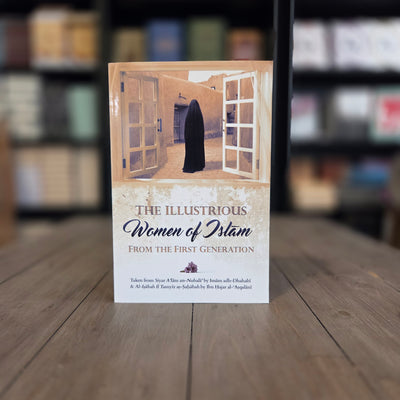
If you are looking for books on the lives of the women of the early generations of Islam, we recommend browsing our Muslim Women collection at The Islamic Book Cafe, including The Illustrious Women of Islam from the First Generation.
Baarakallahu feekum — The Islamic Book Cafe | Portland, Oregon.
Leave a comment
This site is protected by hCaptcha and the hCaptcha Privacy Policy and Terms of Service apply.