

The Excellence Of Knowledge By Ibn Rajab al-Hanbali
Get free shipping when you spend $75 or more.
Pickup available at The Islamic Book Cafe | Authentic Islamic Books For Every Reader
Usually ready in 4 hours

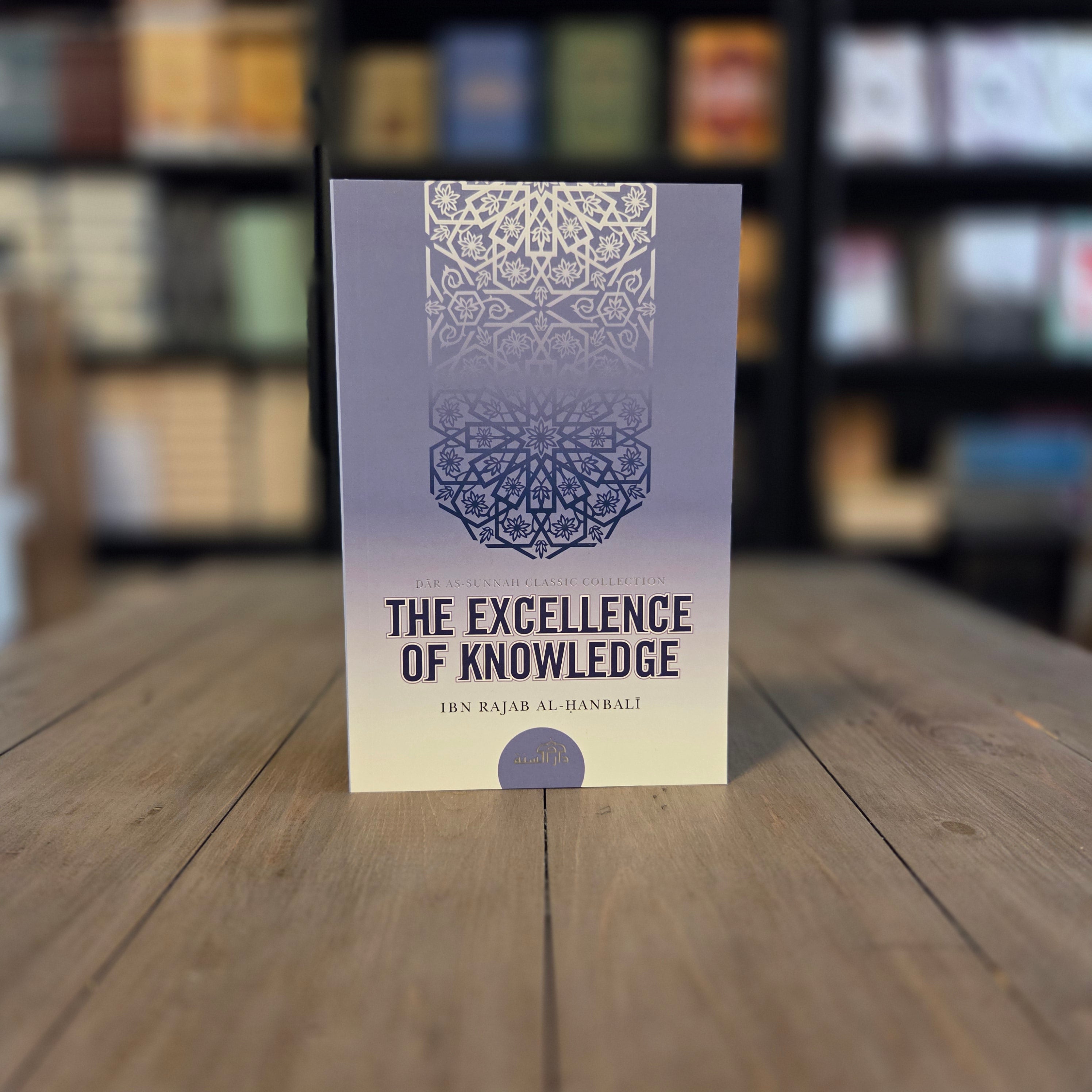
The Excellence Of Knowledge By Ibn Rajab al-Hanbali
The Islamic Book Cafe | Authentic Islamic Books For Every Reader
30 SE 188th Ave
Portland OR 97233
United States

About This Book
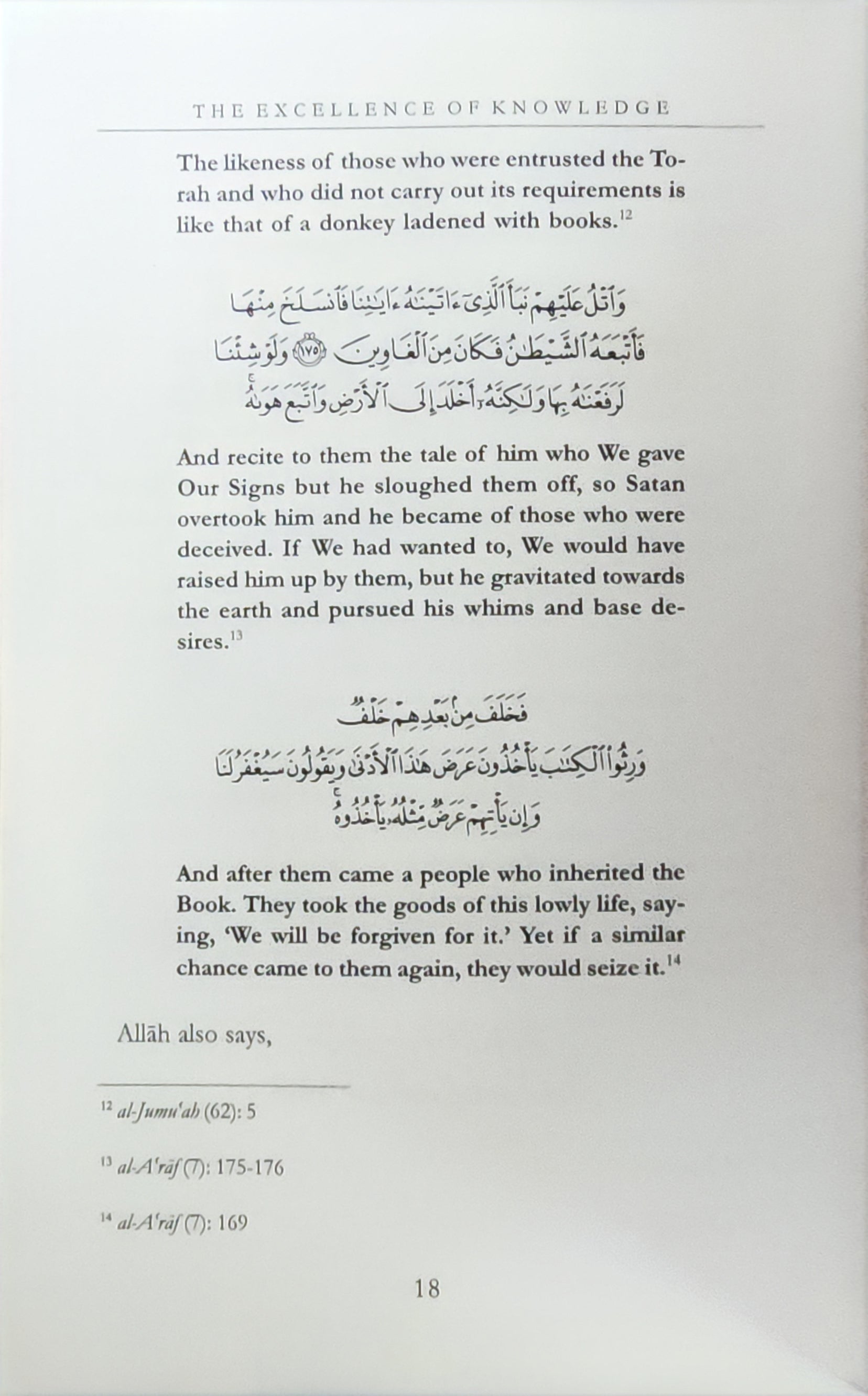
The Prophet (peace and blessings be upon him) said: "The scholars are the inheritors of the Prophets." And what the Prophets left behind was not wealth — it was knowledge. This short but dense treatise by Imam Ibn Rajab al-Hanbali examines what that knowledge actually is: what distinguishes the knowledge that benefits from the knowledge that does not, and what the scholars of the Salaf understood about the sciences of the heart versus the sciences of the tongue.
The Excellence of Knowledge is one of Ibn Rajab's most important shorter works — a precise, evidence-based examination of beneficial knowledge and its characteristics, written at a time when the Islamic world was already seeing the proliferation of innovated sciences that displaced the sciences of the heart.
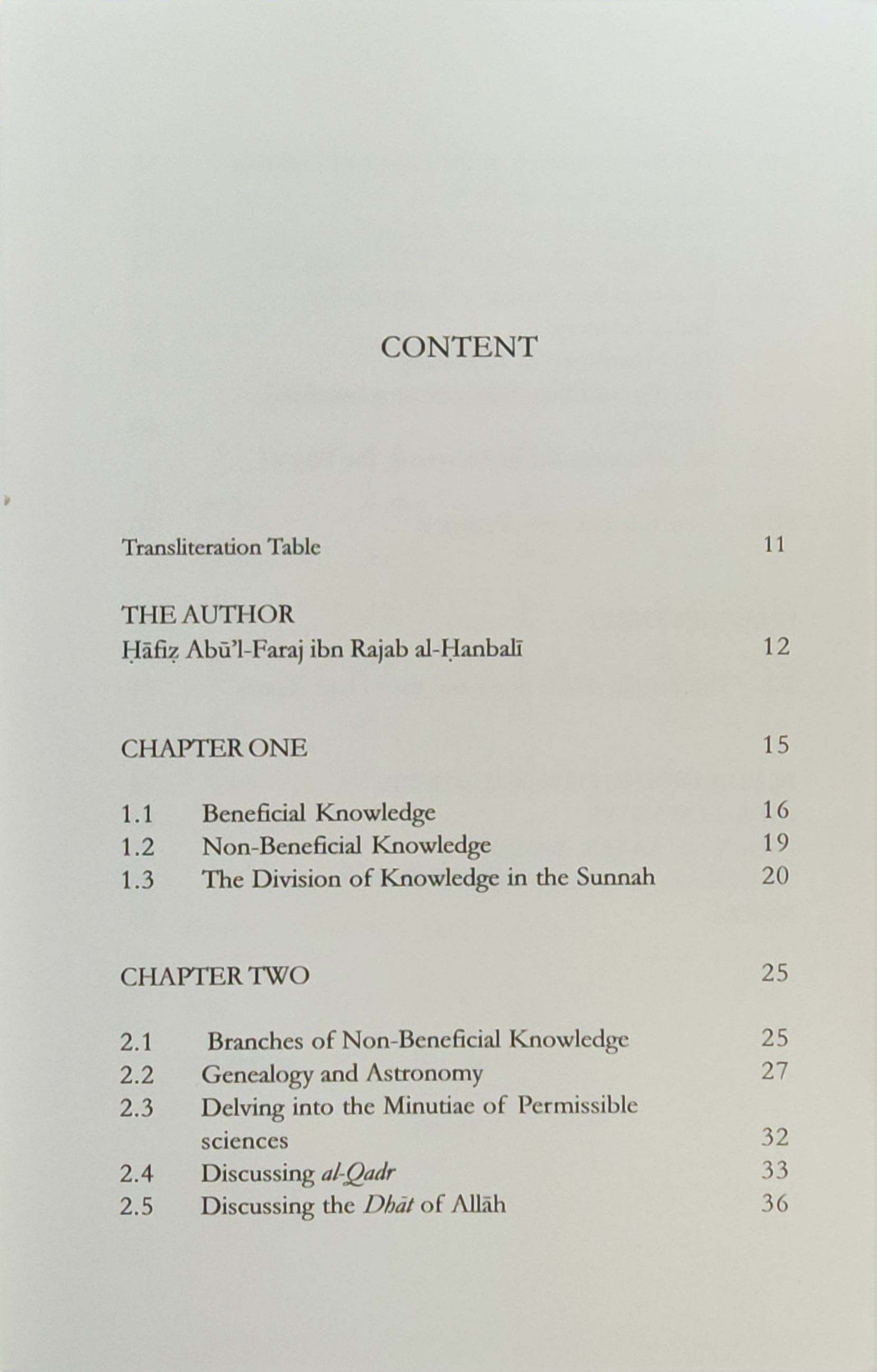
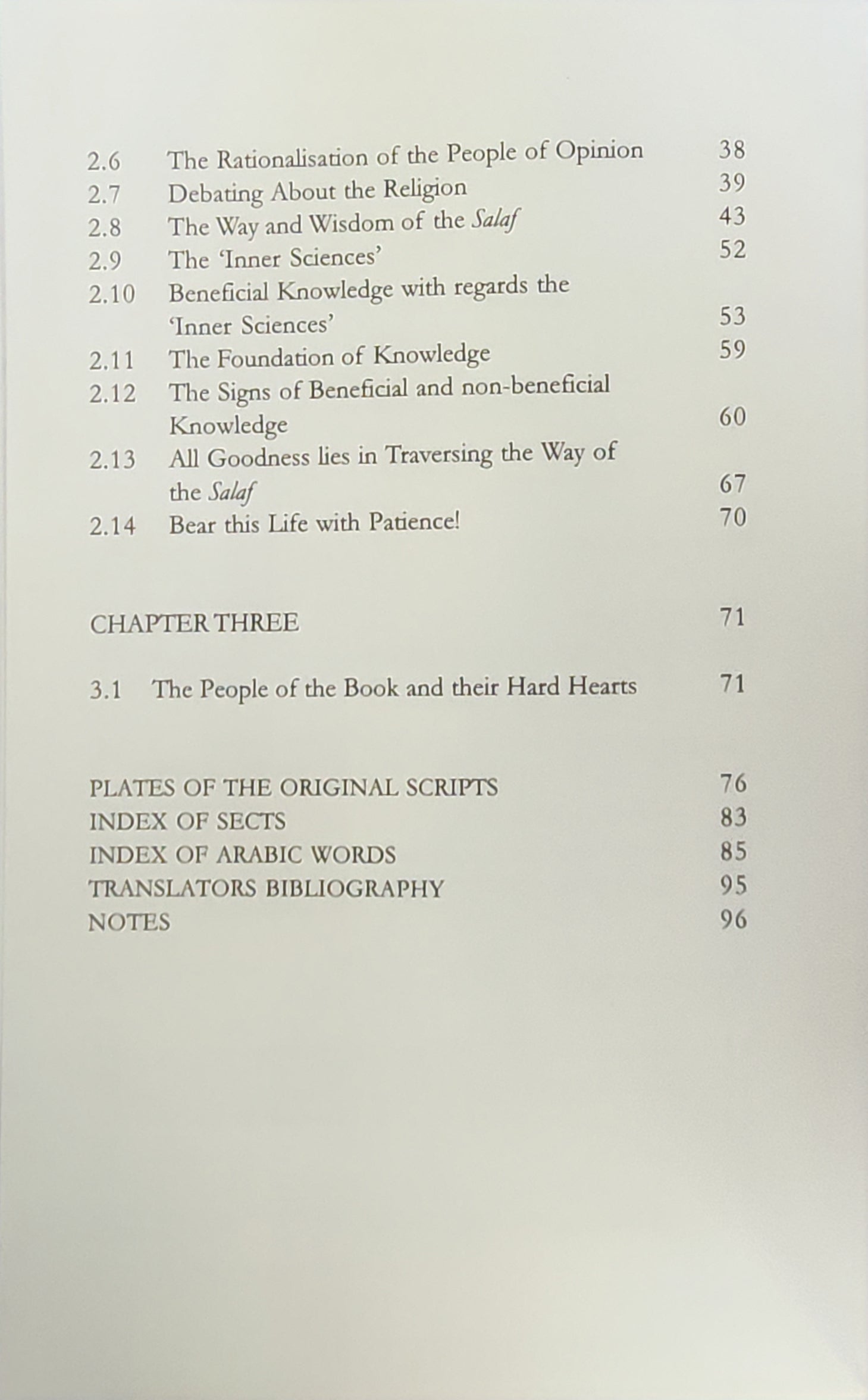
What This Book Covers
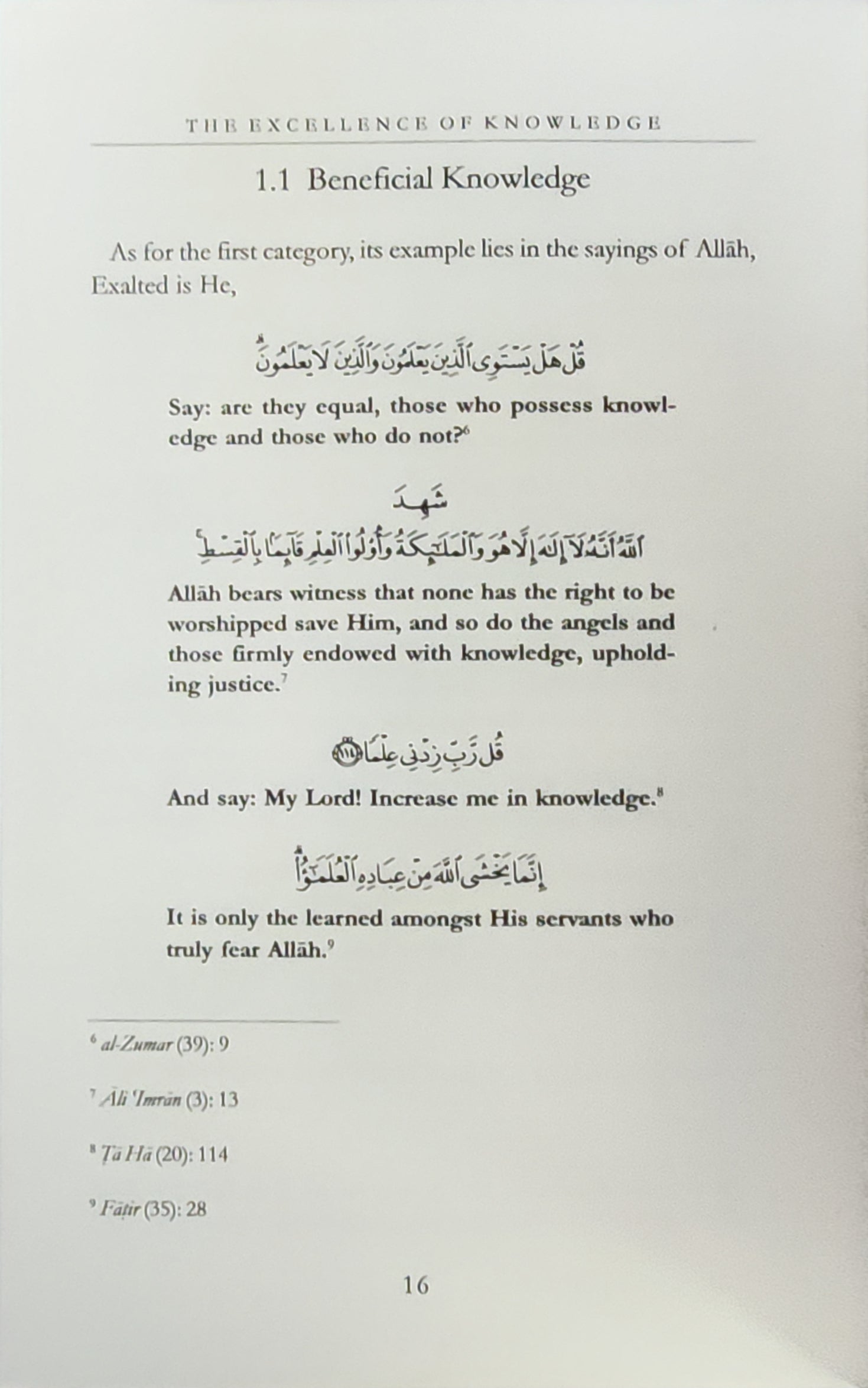
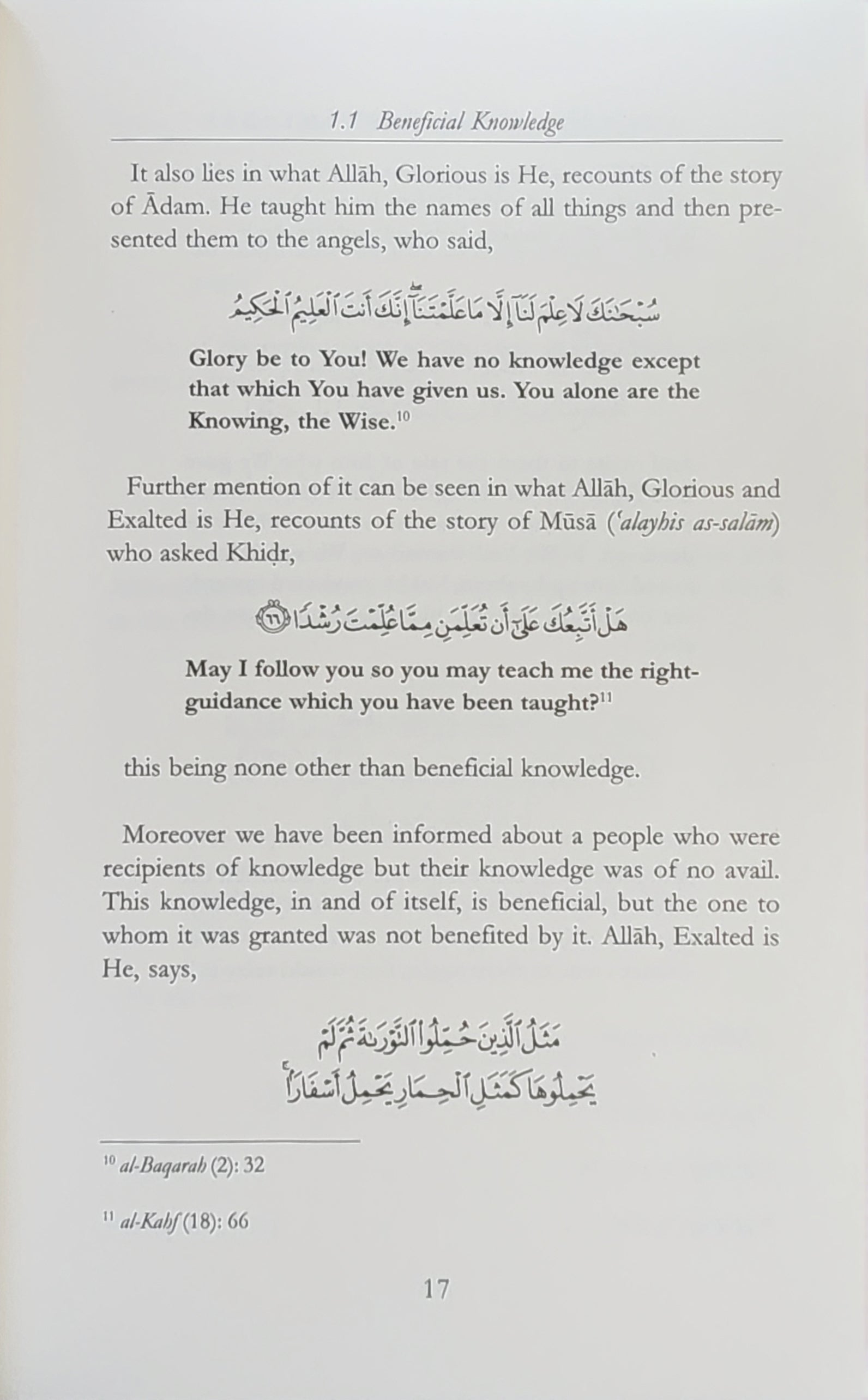
What Is Beneficial Knowledge?
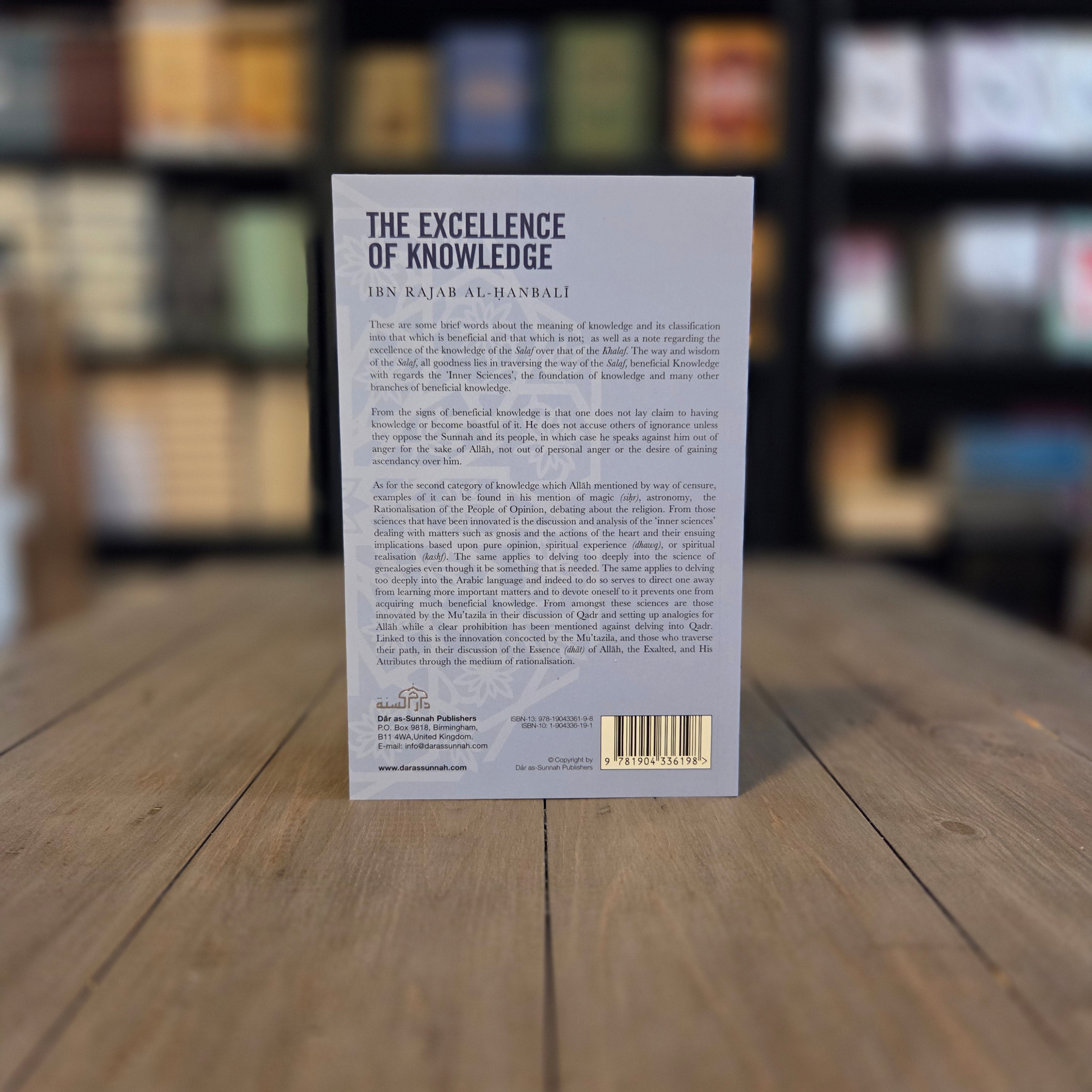
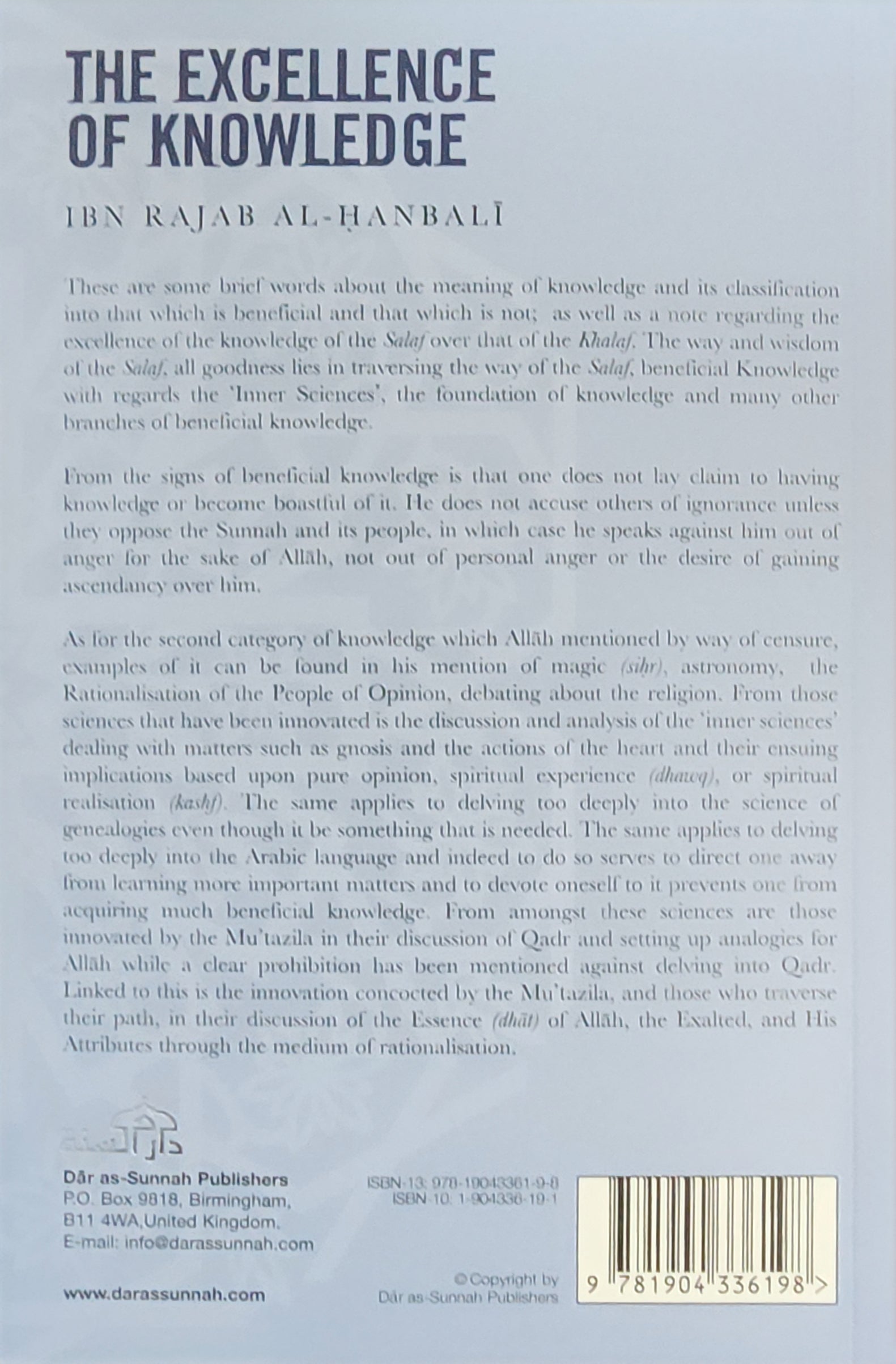
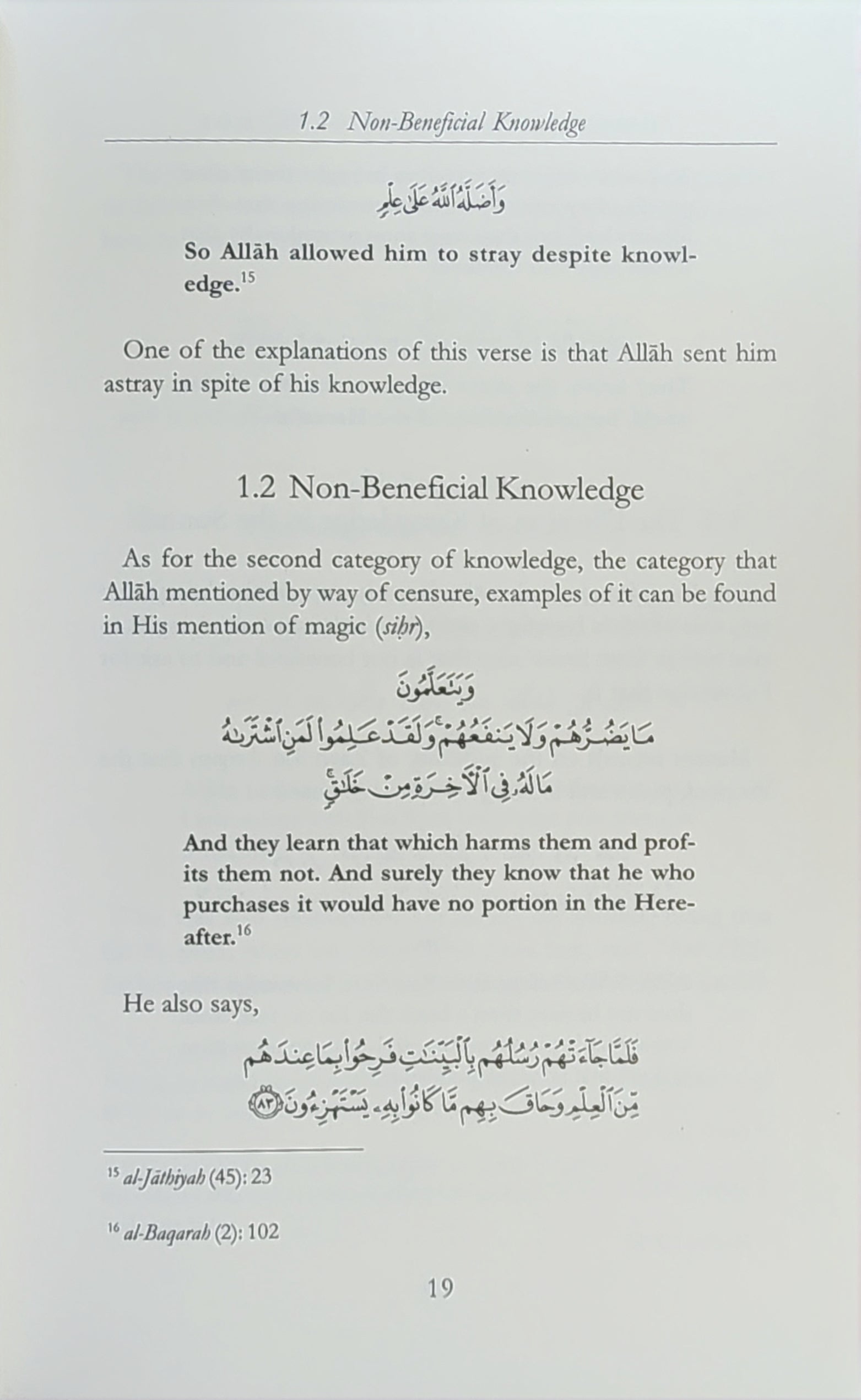
Ibn Rajab opens by defining what knowledge actually benefits a person — knowledge that produces fear of Allah, awareness of His rights, and sincere action. He contrasts this with knowledge that remains on the tongue without reaching the heart, and explains why the Salaf regarded the latter as dangerous rather than neutral.
The Knowledge of the Salaf vs. the Knowledge of Later Generations
A central section of the treatise addresses the difference between the approach of the early scholars — who combined external knowledge with internal uprightness — and those who came later and began separating the two. Ibn Rajab is pointed in his critique of sciences built on opinion, rationalist speculation, and the elevation of human reasoning above transmitted text.
Signs of Beneficial Knowledge
Ibn Rajab enumerates the signs by which a person can recognize whether their knowledge is truly benefiting them: humility, absence of boastfulness, reluctance to claim knowledge, and willingness to speak against deviation not out of ego but out of concern for Allah's religion.
Censured Sciences and Their Danger
The treatise identifies specific types of knowledge the scholars regarded as harmful when pursued excessively or improperly — including rationalist theological disputation, excessive pursuit of linguistic minutiae at the expense of foundational knowledge, and the innovated sciences of the Mutazila and others.
About the Author
Imam Ibn Rajab al-Hanbali (736–795 AH / 1335–1393 CE) was a leading scholar of hadith, fiqh, and tazkiyah in the Hanbali tradition. Educated in Damascus under the foremost scholars of his era, his works on the heart sciences and the proper approach to knowledge remain essential reading. Published by Dar as-Sunnah Publishers.
Who This Book Is For
Students of Islamic knowledge who want to understand what they are actually pursuing and why — and who want the perspective of the Salaf on what makes knowledge beneficial versus harmful. Also valuable for anyone examining their own relationship to Islamic learning and whether it is producing the fear of Allah and sincerity that knowledge is supposed to produce.
Book details
- Author
- Ibn Rajab al-Hanbali
- Publisher
- Dar as-Sunnah Publishers
- Categories
- Fiqh
- Binding
- Paperback
- Pages
- 94
- Language
- English
- Condition
- New
- ISBN
- 9781904336798
- SKU
- TIBC0125

